Crawl Space Mold Treatment Options in Tucson
Crawl space mold treatment in Tucson means stopping the water that feeds the mold, cleaning or removing moldy material, drying the space, and adding moisture controls so it stays dry. The right mix depends on how much growth there is and why. Call to be connected with a local provider who can look under the house.
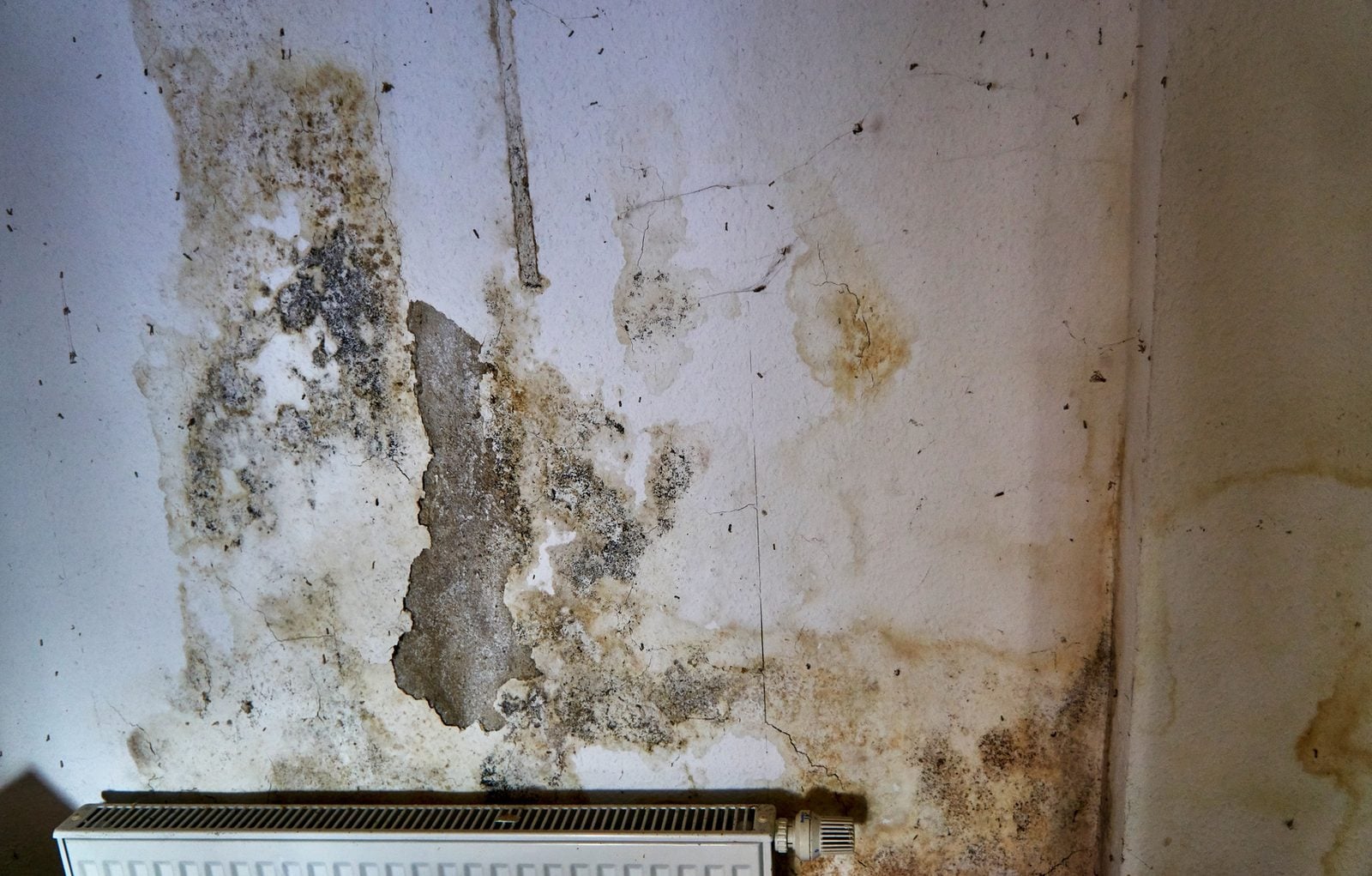
- Arizona health officials say to remove the moisture source before cleanup, because mold returns if the area gets wet again.
- EPA says homeowners can usually clean a moldy area under about 10 square feet, roughly a 3 ft by 3 ft patch.
- EPA advises keeping indoor humidity below 60 percent, ideally between 30 and 50 percent.
- Tucson's monsoon runs June 15 through September 30, and NWS says flash floods are common in Arizona.
- Arizona's insurance department says it is your right to get more than one quote.
What does crawl space mold treatment involve in a Tucson home?
Crawl space mold treatment in a Tucson home is usually a set of steps, not a single product. A provider finds and stops the moisture, cleans moldy wood and surfaces, removes material that cannot be cleaned, dries the space, and then adds controls that keep the area dry.
This page is about the treatment itself: the methods, the choices you may be offered, and what a visit looks like. If you are still trying to figure out whether you have mold under the house at all, start with the guide to crawl space mold in Tucson, which covers signs, causes and first steps.
Why does the moisture problem have to be fixed before any treatment?
Because treatment does not last if the space stays wet. Arizona health officials say it is critical to remove the source of moisture first, before cleanup begins, since mold will return if the area becomes wet again. Any crawl space mold treatment plan in Tucson should name the water source.
Common sources under a raised floor include:
- A slow drip from a supply pipe, drain line or sewer line
- A water heater or appliance leak that runs under the floor
- Storm runoff flowing toward foundation vents
- Air conditioning condensate that is not draining properly; EPA advises keeping drip pans clean and drain lines flowing
- Humid air from an evaporative cooler; University of Arizona Extension notes these coolers send cooled, humidified air into the home
If a plumbing leak is the cause, that repair may need its own licensed plumber before the mold work starts.
What are the main crawl space mold treatment options?
Most treatment plans combine three things: cleaning the mold off surfaces that can be saved, removing materials that cannot, and drying and controlling moisture. Which ones you need depends on how far the growth has spread and how damaged the wood is.
- Surface cleaning: scrubbing, wiping or HEPA vacuuming mold off joists, beams and the subfloor when the wood is still solid.
- Removal: taking out moldy insulation, cardboard, stored items, old plastic sheeting or wood that is soft and rotted.
- Drying: using fans or dehumidifiers to bring wet wood and soil back to normal.
- Moisture control: fixing leaks, redirecting runoff and adding a ground cover or other barrier so the space stays dry.
Removal and remediation are related but different ideas. The page on mold removal vs. remediation explains how the two terms are used.
Need help now? Call to be connected with a local provider in Tucson who can check availability for your address.
Do sprays or fogging alone treat crawl space mold?
Usually not on their own. A spray or fog may be part of a plan, but it does not remove mold growth that is already on the wood, and it does nothing about the water that caused it. Without cleaning and moisture control, the mold is likely to come back.
If someone offers only a spray treatment, ask how the mold will be physically removed, how the moisture source will be fixed, and how you will know the job worked. Never mix bleach with ammonia or other cleaners if you clean a small area yourself, because the fumes can be dangerous.
Which moisture controls keep a treated crawl space dry?
The goal is to keep water out and humidity down. A provider may suggest one or more controls, based on what caused the problem in your crawl space. EPA advises keeping indoor humidity below 60 percent, ideally between 30 and 50 percent.
- Leak repair: fixing the pipe, drain or appliance that wet the space
- Ground cover: a plastic vapor barrier over bare soil
- Sealing or encapsulation: closing vents and lining the space, sometimes with a dehumidifier
- Drainage: pointing downspouts and yard runoff away from the foundation
- Ductwork: sealing or cleaning ducts that run under the floor; see HVAC and duct mold cleaning
Not every home needs every option. Ask why each one is being recommended for your house.
When is crawl space mold treatment a do-it-yourself job?
Only when the patch is small, the wood is solid, and the water source is already fixed. EPA says homeowners can usually handle a moldy area under about 10 square feet, roughly a 3 ft by 3 ft patch. Larger areas, soft wood or mold in ducts point to calling for help.
Crawl spaces are also hard places to work. They are tight, dark and often dusty, and wiring or pipes may be in the way. Do not go in if there is standing water, wet wiring or no easy way back out. If you do clean a small area, wear gloves, eye protection and a well-fitting mask, and bag moldy debris before carrying it through the house.
What happens during a crawl space mold treatment visit?
A visit usually starts with an inspection under the house and in the rooms above, then an explanation of your treatment options, and a written quote before any work begins. You decide what happens next.
- Inspection: how much growth there is, which wood is solid or soft, where the moisture is coming from, and whether ducts or insulation are involved
- Options explained: what can be cleaned, what should be removed, how the space will be dried, and which moisture controls make sense
- Written quote: the scope in writing, so you can compare it with other quotes
- If you go ahead: the work area is often sealed off from the living space, moldy material is bagged, and surfaces are cleaned and dried
Take photos before anything is moved. If you plan to file a claim, Arizona's insurance department advises calling your insurance company or adjuster before calling a contractor.
How do you know crawl space mold treatment worked?
A treated crawl space should look clean, feel dry and stop smelling musty, both under the house and in the rooms above. Arizona health officials say that if you can see or smell mold, you have a problem, so a returning smell is a sign to look again.
Some homeowners ask for a follow-up check after a larger job. The page on post-remediation clearance testing explains what that kind of check can show. After that, look under the house after heavy storms and keep an eye on any new damp spots.
How does Tucson's weather shape crawl space mold treatment?
Tucson is dry most of the year, but its rain often arrives in short, heavy bursts. NWS lists Tucson's 1991-2020 normal annual precipitation as 10.61 inches, and says Tucson averages 5.69 inches during the monsoon, which runs June 15 through September 30. NWS also says flash floods are common in Arizona.
The 2026 monsoon brought 5.76 inches to Tucson International Airport, and NWS reports totals across the metro ranged from 3.00 to 8.00 inches, with some spots up to 12.00 inches. That means one neighborhood can get far more water than another in the same season. A crawl space that was soaked by runoff may need drying and drainage changes as part of treatment, not just cleaning.
Homes in Oro Valley, Marana, Vail, Sahuarita and the Catalina Foothills are among the service areas. Fall, after storm season ends, is a practical time to check under the house. Call to be connected with a local provider near you.
Related pages
Questions people ask
Who can I call for crawl space mold treatment in Tucson?
Call the number on this page to be connected with a local provider for crawl space mold treatment in Tucson. They can inspect the space and explain your options in a written quote.
What is the most effective way to treat mold in a crawl space?
Fix the moisture source, then clean or remove the moldy material and dry the space. Arizona health officials say mold returns if the area gets wet again, so moisture control is part of the treatment.
Does spraying a mold killer under my house fix the problem?
Usually not by itself. A spray does not remove growth already on the wood or stop the water that caused it, so cleaning and moisture control are still needed.
Is crawl space fogging worth it for mold?
Fogging alone is rarely a complete fix. Ask how any fogging fits with physical cleaning, removal of damaged material and a plan to keep the crawl space dry.
Can I use vinegar or bleach to treat crawl space mold myself?
For a small patch on solid wood, cleaning with a household product may be reasonable. Never mix bleach with ammonia or other cleaners, and fix the moisture first.
How big a mold patch in my crawl space can I treat on my own?
EPA says homeowners can usually handle a moldy area under about 10 square feet, roughly a 3 ft by 3 ft patch. Bigger areas or soft wood are a reason to call for help.
Do I need to remove the insulation if there is mold in my crawl space?
Often, yes. Moldy insulation is hard to clean, so it is commonly removed and replaced once the space is dry and the moisture source is fixed.
What does a vapor barrier do in a crawl space?
A vapor barrier is a plastic ground cover that helps keep moisture from the soil out of the crawl space air. It works alongside leak repair and drainage, not instead of them.
Is crawl space encapsulation the same as mold treatment?
No. Encapsulation seals and lines the crawl space to control moisture, while treatment cleans or removes existing mold. Many plans use both, after the mold is dealt with.
Do I need a dehumidifier in my crawl space in Arizona?
Not always. It depends on why the space got wet; EPA advises keeping indoor humidity below 60 percent, ideally between 30 and 50 percent.
Can moldy floor joists be cleaned or do they have to be replaced?
Solid joists with surface mold can often be cleaned. Wood that is soft, cracked or crumbling may need replacement and, in severe cases, a structural review.
Should the leak be fixed before crawl space mold treatment starts?
Yes. Arizona health officials say to remove the source of moisture before cleanup begins, because mold will return if the area is wet again.
Can crawl space mold come back after treatment?
Yes, if the space gets wet again. Arizona health officials say mold returns when an area is re-wetted, so keep leaks fixed and runoff pointed away from the house.
How do I know if crawl space mold treatment was done right?
The space should look clean, feel dry and stop smelling musty. For larger jobs, some homeowners ask for a follow-up check or clearance testing.
What questions should I ask a crawl space mold company before hiring them?
Ask what caused the mold, how the moisture will be stopped, what will be cleaned or removed, and how results will be checked. Arizona's insurance department notes it is your right to get more than one quote.
Do I need a licensed contractor for crawl space mold work in Arizona?
It depends on the work. Arizona law says it is unlawful to act as a contractor without a license unless an exemption applies, so check any contractor in the ROC online search.
Does homeowners insurance pay for crawl space mold treatment in Arizona?
Sometimes. Arizona's insurance department says mold remediation may be covered if it results from a sudden or accidental event, so check your policy and call your insurer first.
Should I treat crawl space mold before selling my Tucson house?
It helps to find the moisture source, document the work and keep written quotes and records. Buyers and inspectors will likely ask what caused the mold and how it was fixed.
What should I do with the stuff I stored in my moldy crawl space?
Throw out moldy cardboard, paper and fabric, and clean hard items like plastic bins. Avoid storing porous items under the floor after treatment.
Is it a good idea to treat crawl space mold after monsoon season in Tucson?
Yes, fall is a practical time to check and treat. Tucson's monsoon runs June 15 through September 30, and storm runoff can leave the soil under a raised floor wet.
Talk to someone about your mold problem
Call to be connected with a local provider who can check availability for your address and explain the next step.