Surface growth or a wet cavity
Growth on grout, caulk and paint is a cleaning and sealing job. Growth fed by a leaking shower pan, angle stop or drain means opening the wall, and readings decide which one you have.
These two rooms produce water every day, which is why they show growth first. An independent provider can separate surface growth on grout and caulk from a wet wall cavity that needs opening, then quote the work you actually need.
Plenty of Tucson houses built from the 1940s through the 1970s have bathrooms with no exhaust fan at all, or a fan that was added later and vents straight into the attic. Every shower then puts moisture into the wall and ceiling instead of outside.
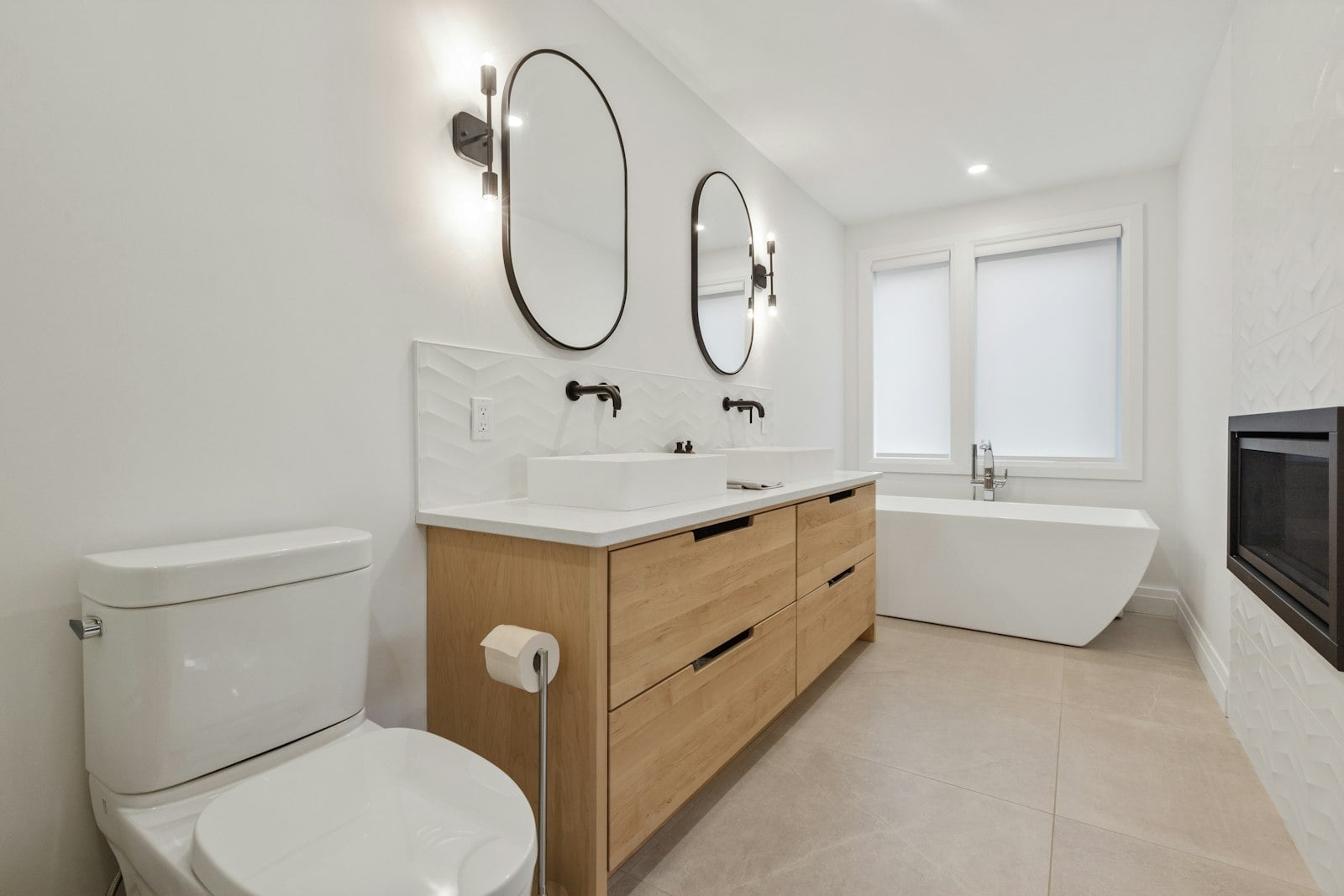
A bathroom or kitchen job can be small. A careful provider says when it is small, rather than quoting a whole-room strip for a caulk line that simply needs replacing.
Growth on grout, caulk and paint is a cleaning and sealing job. Growth fed by a leaking shower pan, angle stop or drain means opening the wall, and readings decide which one you have.
Supply lines, angle stops, refrigerator and ice maker lines and dishwasher connections drip slowly for months. Cabinet floors and the drywall behind them are worth checking before anything is put back.
A fan that vents outside, used during and after a shower, does more to keep a bathroom clear than any coating. Where a fan is missing, ask for that to be written into the findings.
Remediation stops at the point where the area is clean and dry. Replacing tile, a vanity or a shower pan is renovation work, and you should expect it to be priced separately so you can compare it properly.
If the leak is inside the wall, a plumbing repair has to come first. There is no benefit to closing a wall over a fitting that is still dripping, and a careful provider will hold the work until that is done.
See also the full remediation process, inspection and testing, removal versus remediation and signs of hidden growth.
Often it is surface growth in the grout or caulk, which cleans up and comes back if the room stays damp. If the drywall beside the shower is soft or the paint is lifting, the water has gone further and needs a proper look.
Because the moisture has not changed. A shower used twice a day in a room with no working fan will keep feeding growth no matter how often the surface is cleaned. Ventilation and any hidden drip have to be dealt with together.
Rarely. Most of these jobs involve one wall section, a cabinet base or a ceiling patch. A careful provider marks the area from moisture readings and removes what is wet, not the whole room.
Describe what you see or smell so a provider can plan the right inspection.