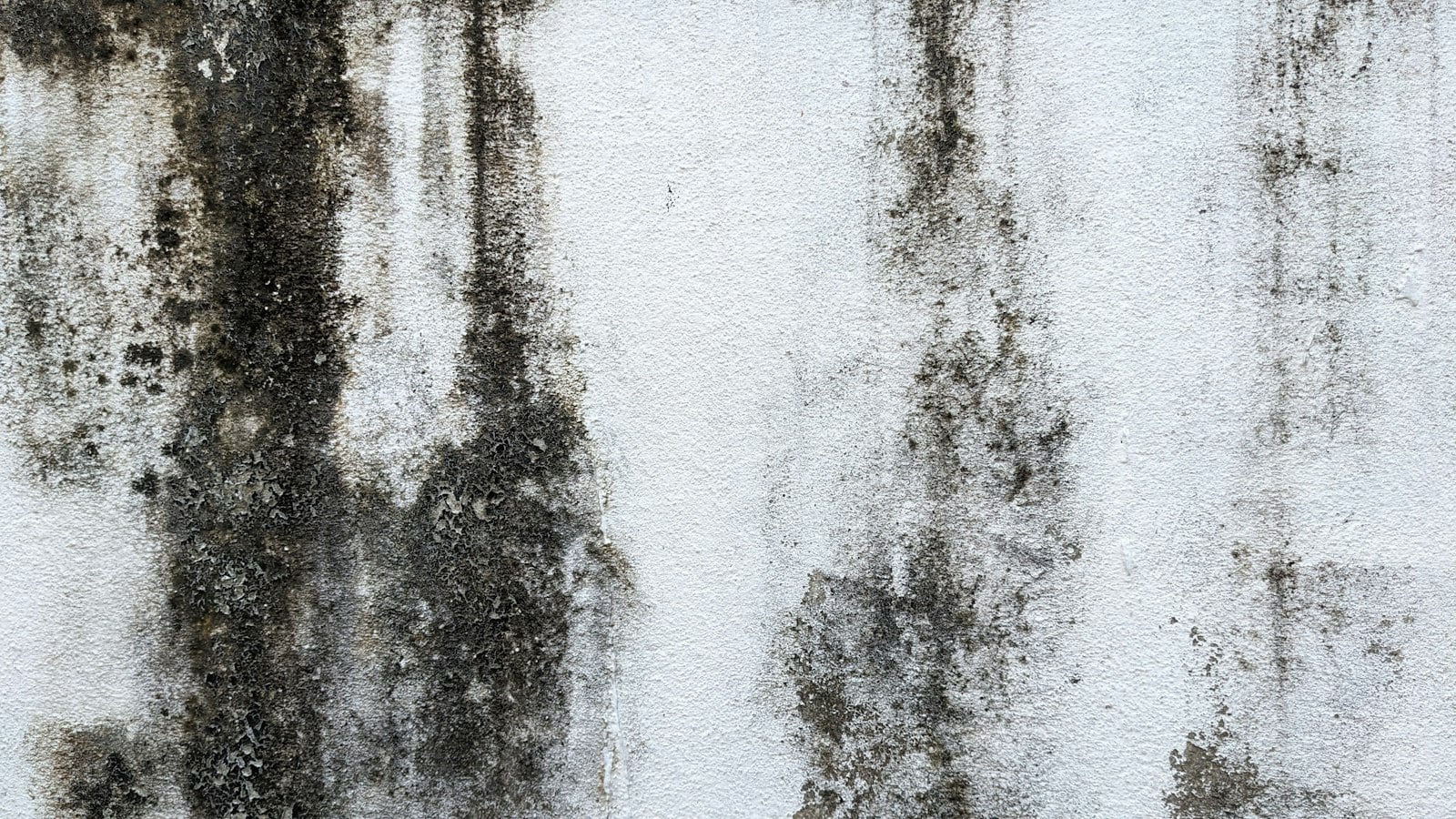
Mold Inspection
An inspection finds the wet material behind the growth, not just the stain you can see.
Mold InspectionFound mold, or smelling it and not finding it? Tucson Mold Removal Pros connects you with independent mold remediation providers. Ask the provider about scope and price; availability varies.
An inspection finds the wet material behind the growth, not just the stain you can see.
Mold Inspection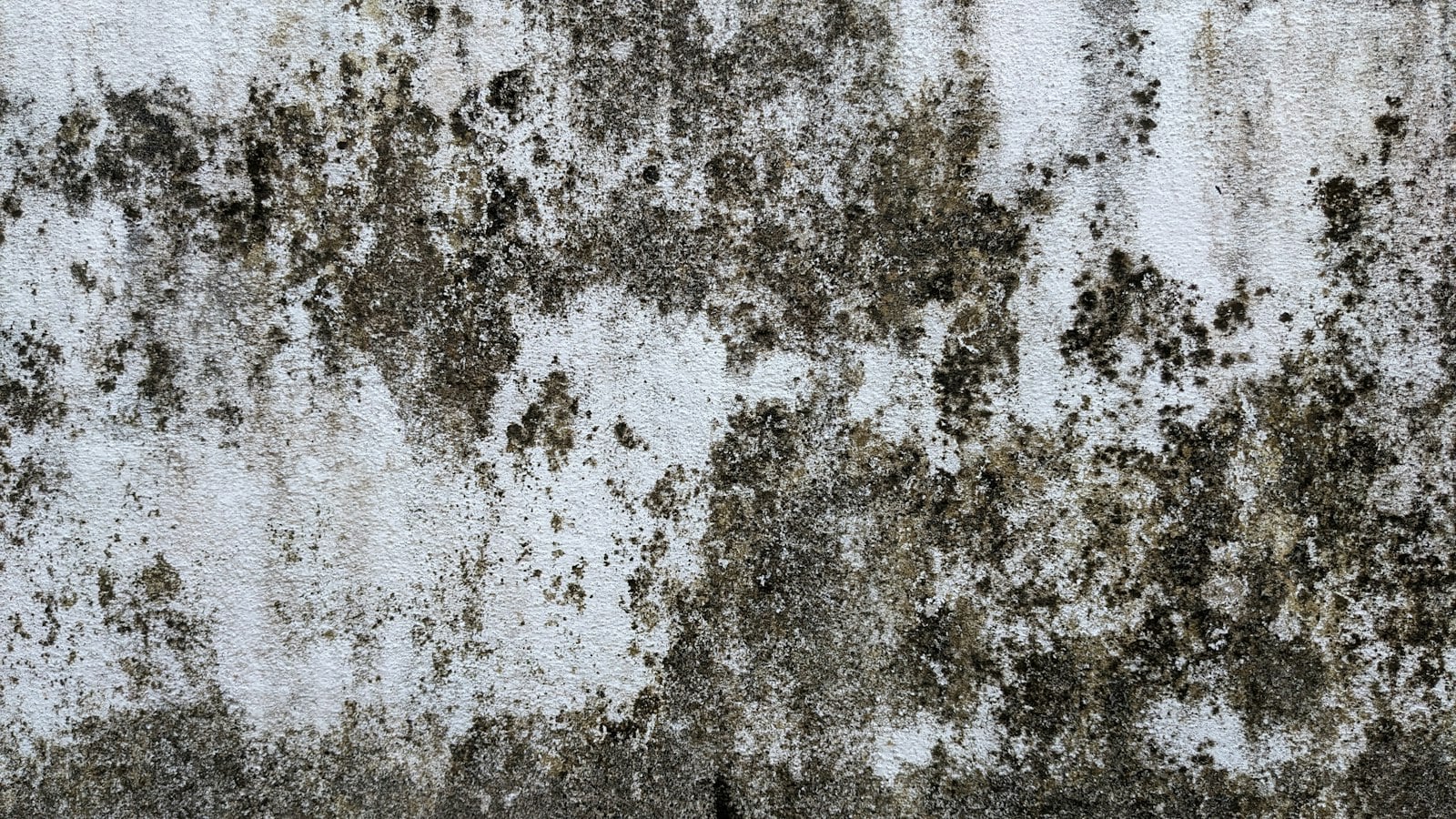
Growth is contained, removed and cleaned once the water feeding it has been stopped.
Mold Removal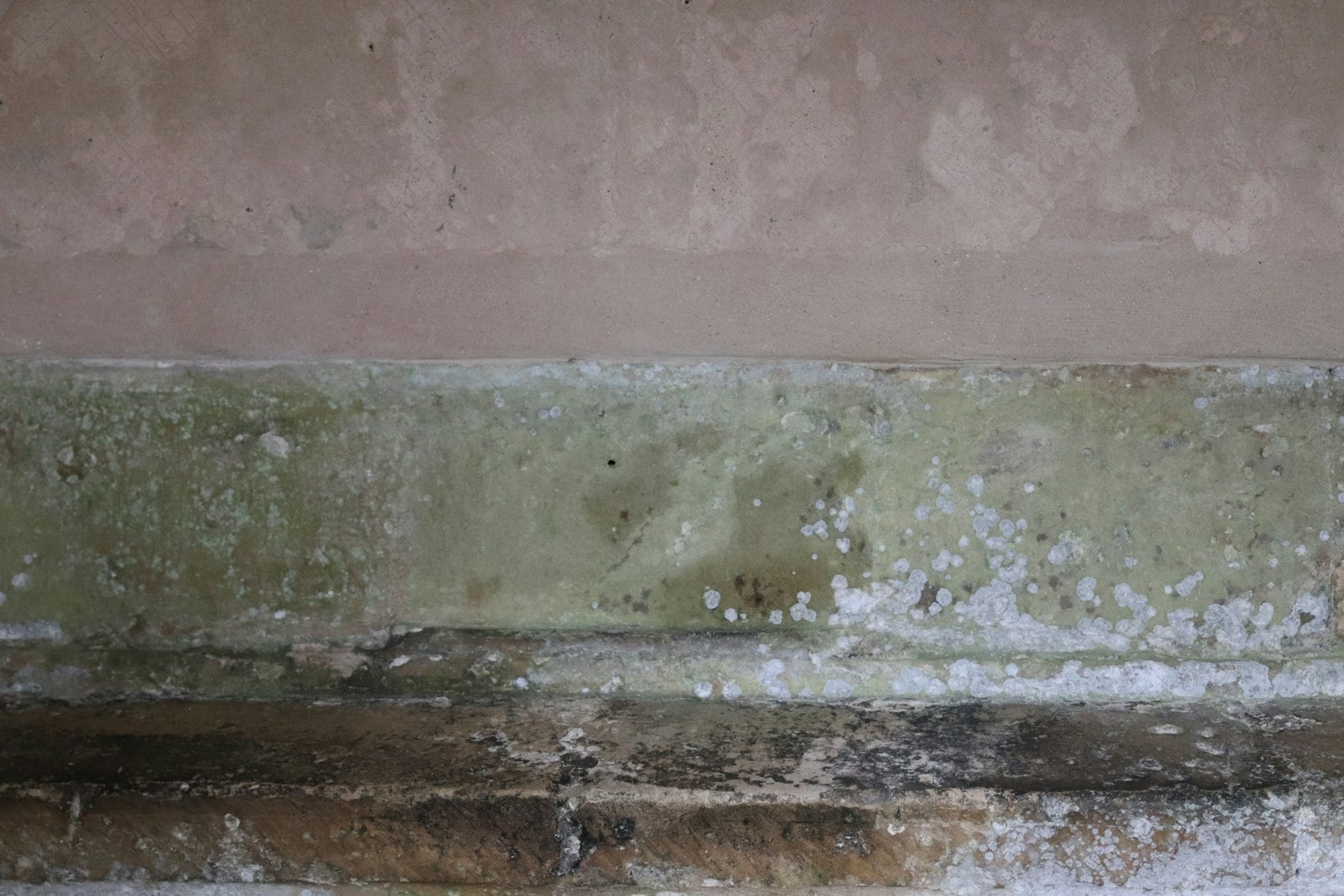
Dark growth is handled the same careful way, whatever color it turns out to be.
Black Mold Removal
Roof leaks, bath fans and duct condensation are the usual reasons an attic goes damp.
Attic Mold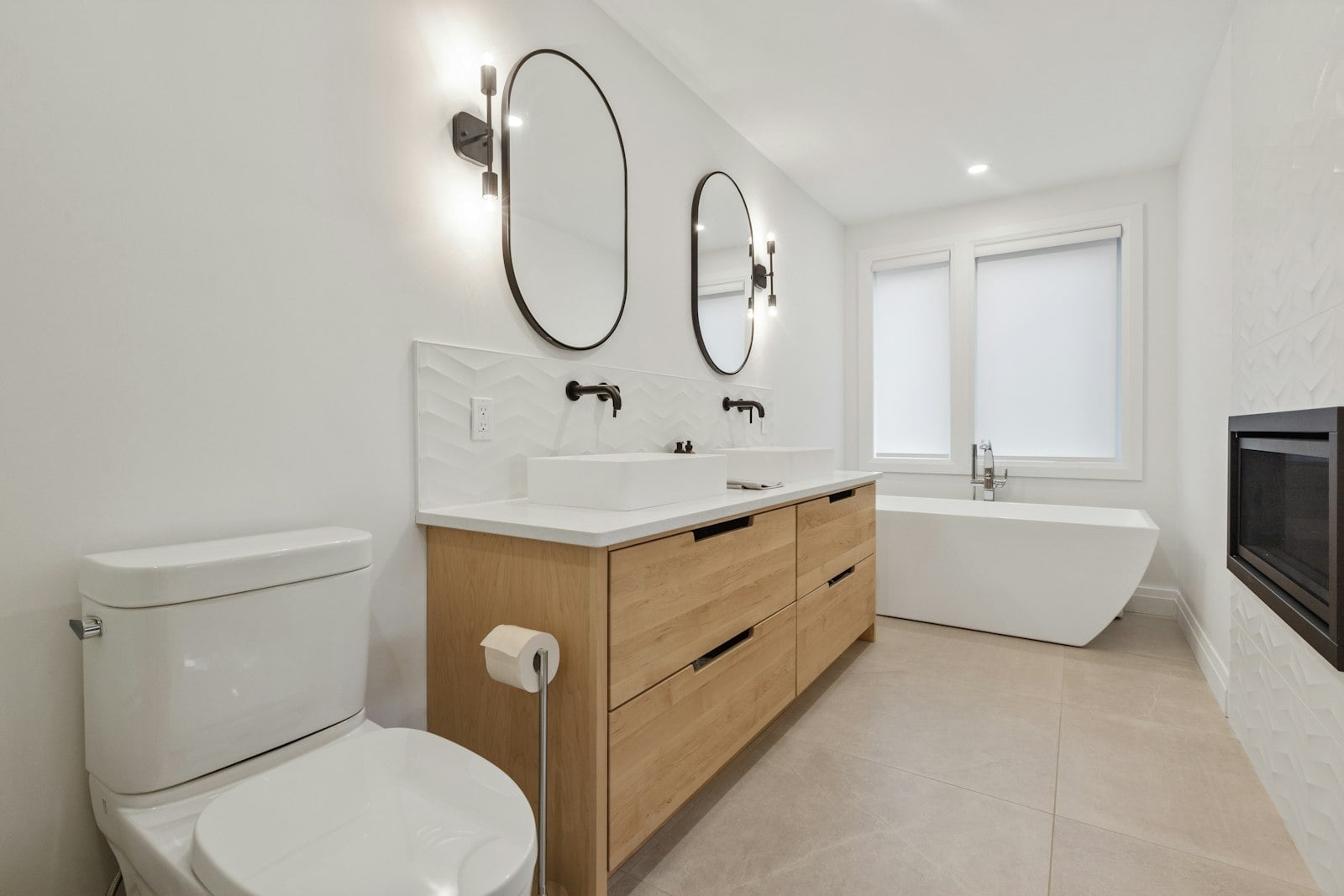
Showers without working fans and slow supply-line drips keep these rooms damp.
Bathroom and Kitchen Mold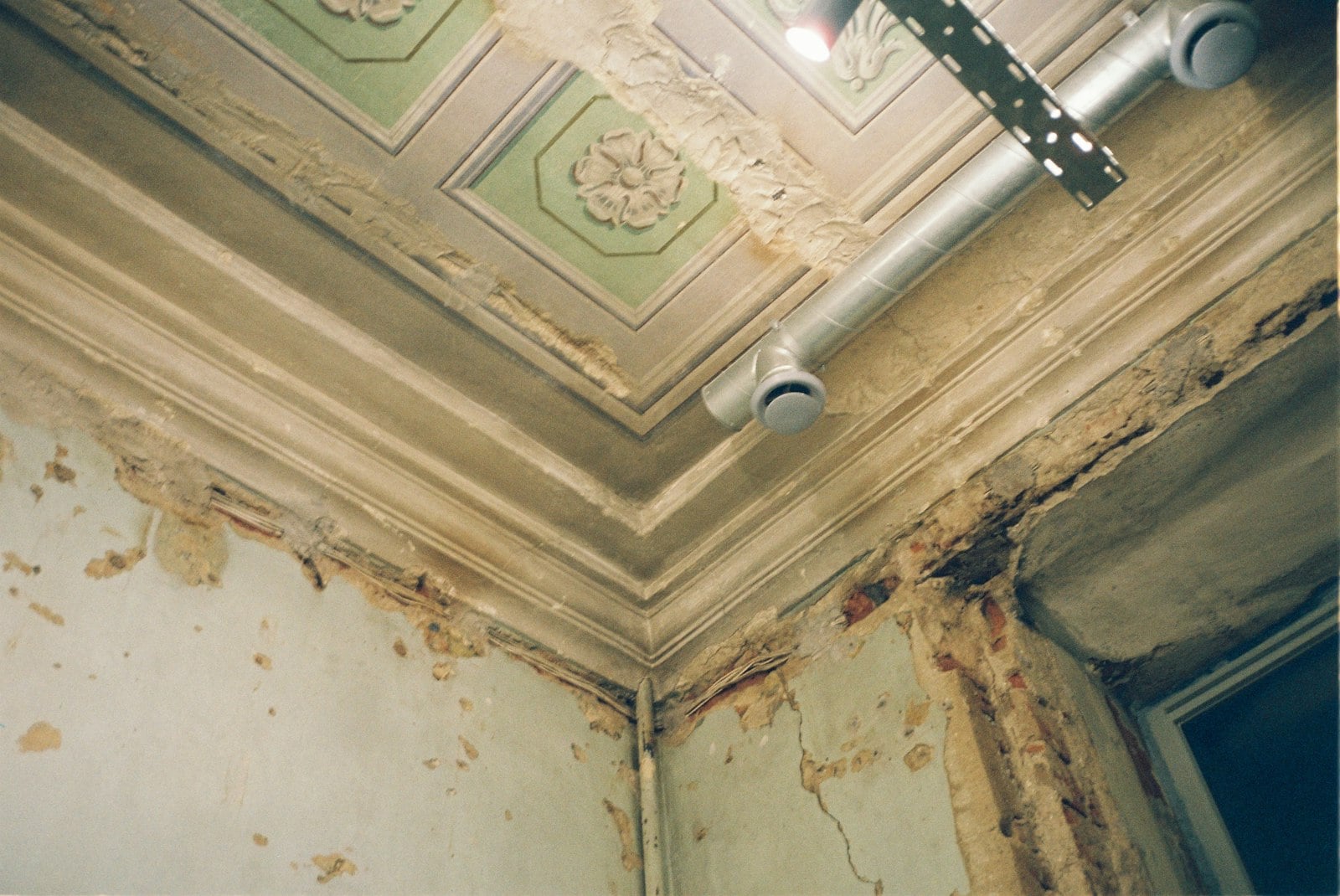
Wet drywall, cabinets and carpet pad can grow mold within a few days indoors.
Mold After Water Damage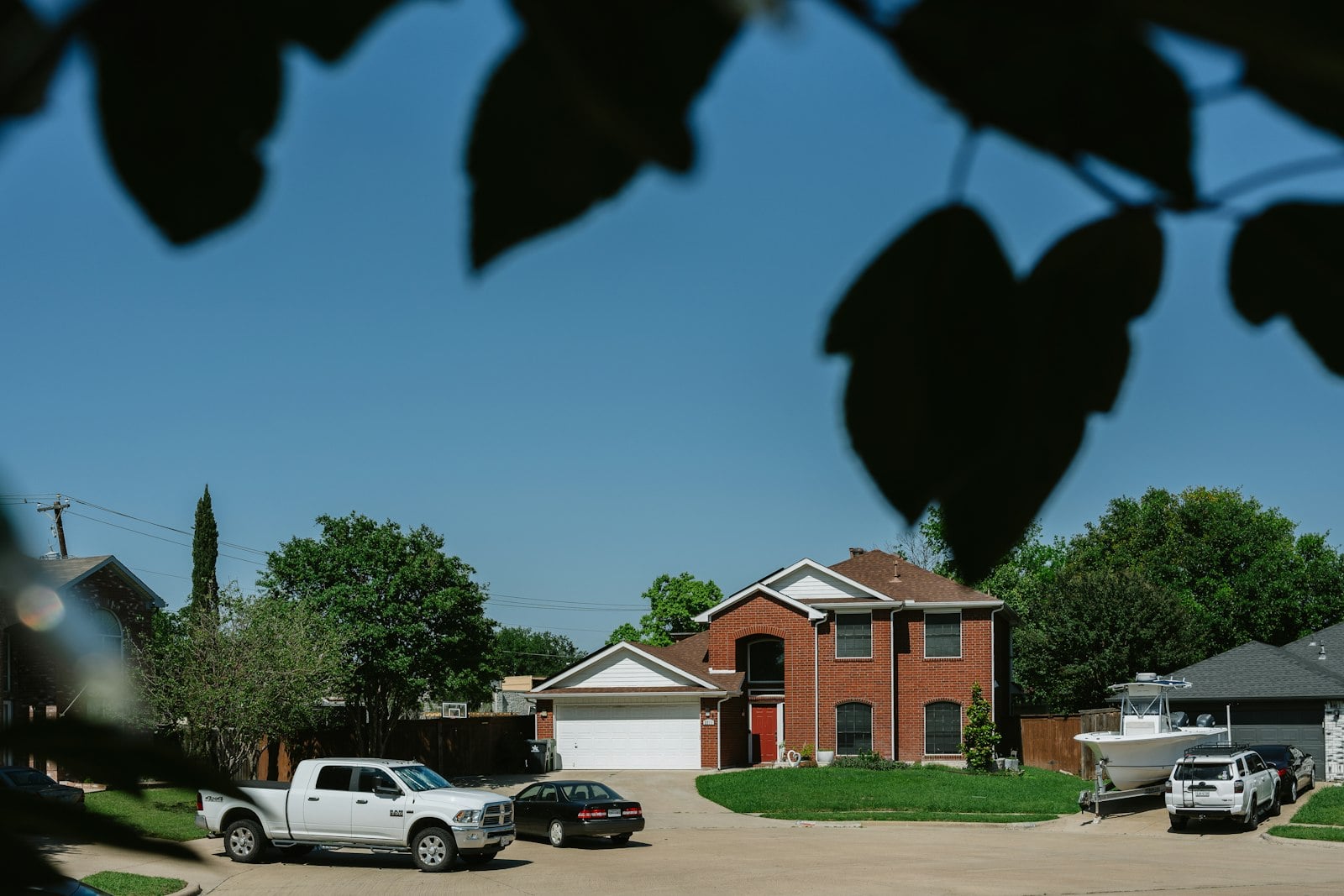
Offices, rentals and retail units need work staged around the people using them.
Commercial Mold
Coils, drip pans and blocked condensate lines keep a system damp all summer.
HVAC and Duct Mold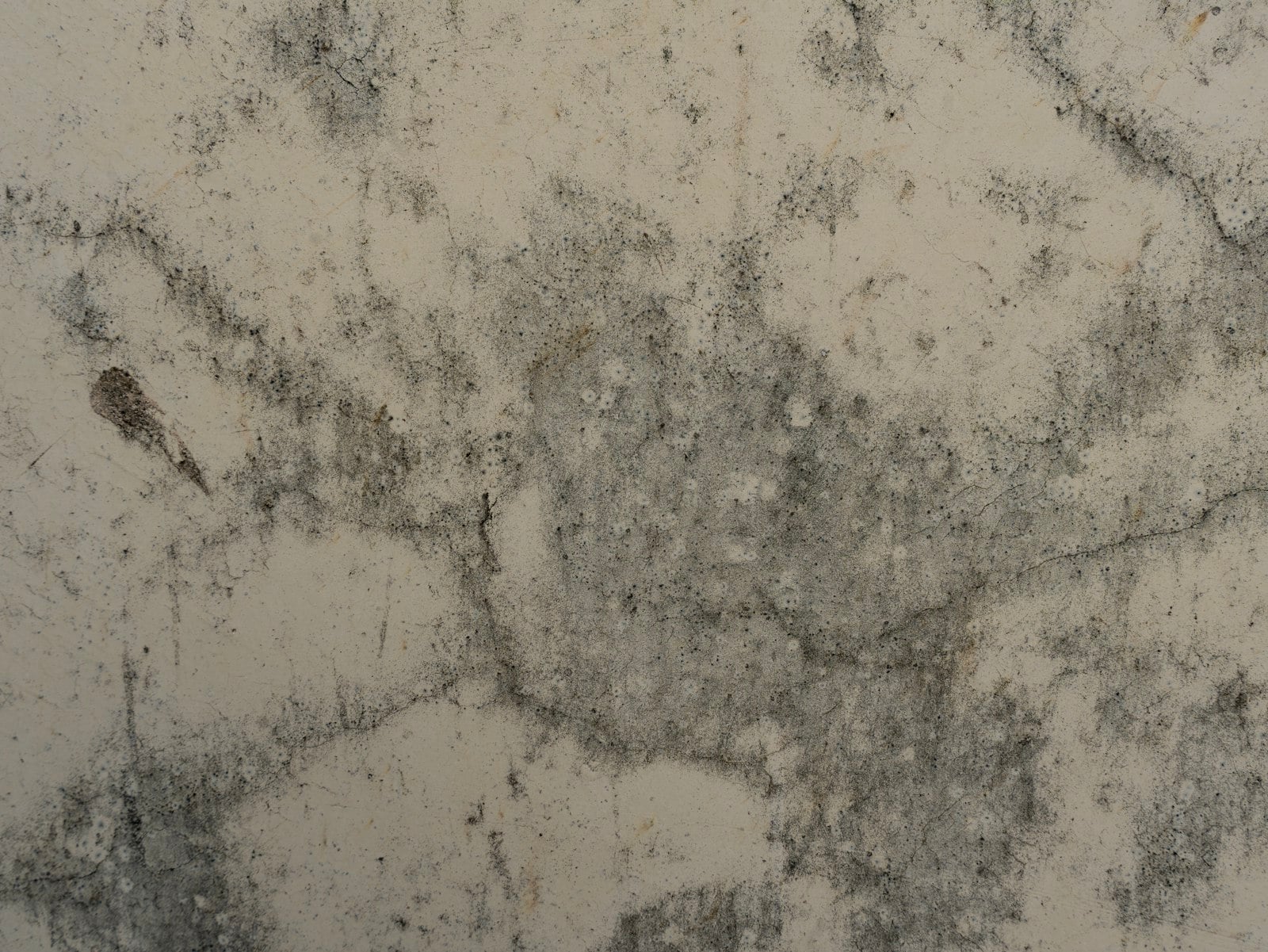
The check that closes out a larger job before the wall is put back together.
Clearance TestingGrowth is a symptom. The inspection looks for the roof leak, condensate line, appliance drip or condensation that is keeping material wet, because cleaning without that is temporary.
Ask for a plain written description of what is wet, what will be removed, what will be cleaned and the price, with rebuild work priced separately.
Confirm your property address and access details for Tucson or one of the nearby communities listed further down this page.
People assume a desert city cannot grow mold. It can, because mold needs a wet material rather than humid air, and roof leaks, blocked condensate lines, evaporative coolers and slow supply-line drips supply that here every year.
A smell in one room or closet usually means growth behind a finish. An independent provider can take moisture readings to find the wet material before any wall is opened.
See what to look for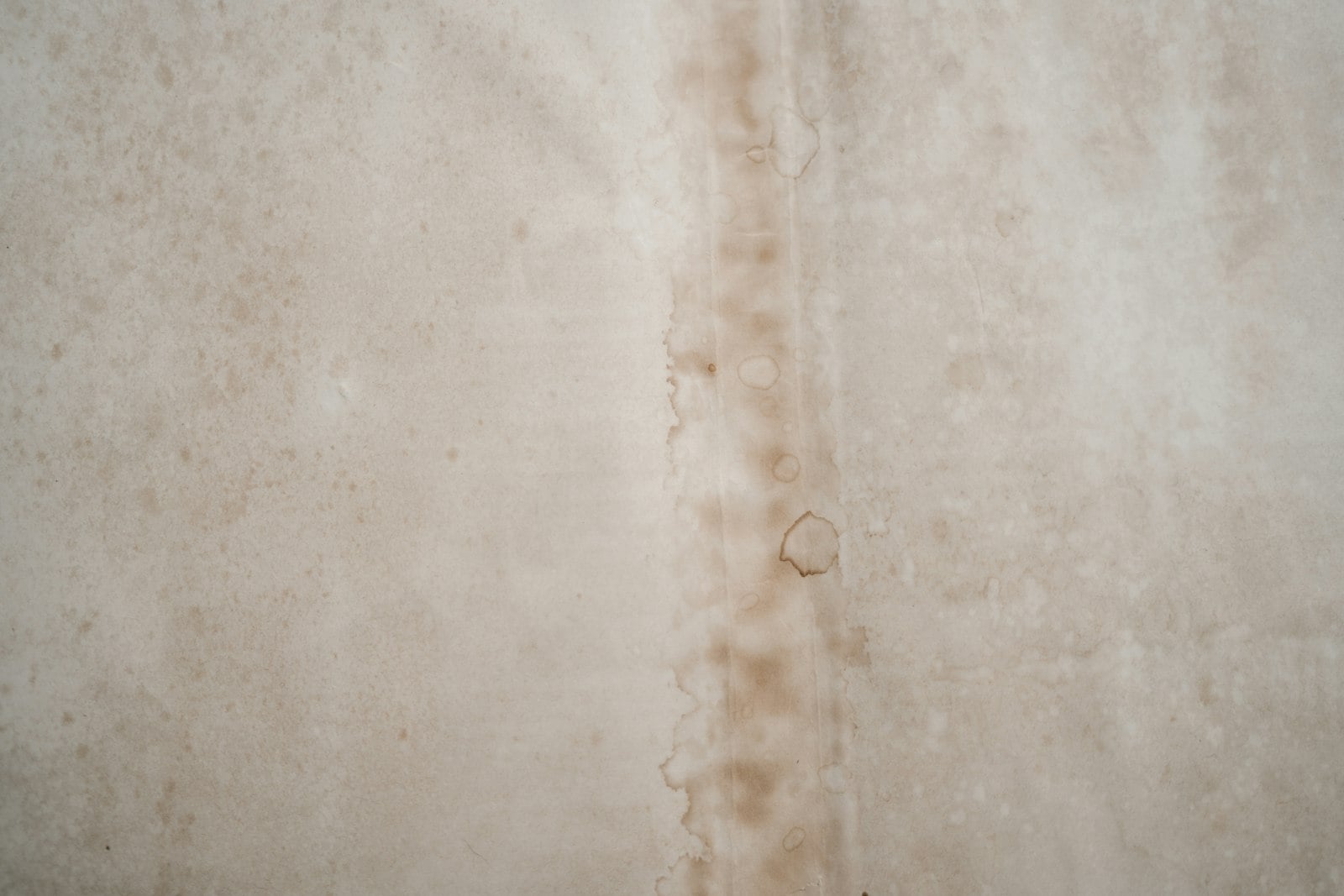
Paint does not lift from a dry wall. If a mark reappears after painting, moisture is still moving through the material and the source has not been found yet.
See inspection detailsColor does not identify a species, and the removal method does not change with it. Keep the room closed and leave the growth undisturbed until it has been inspected.
See dark mold removalWet drywall, carpet pad and cabinet bases can start growing within a couple of days indoors. An independent provider can separate what can be dried from what has to come out.
See water damage work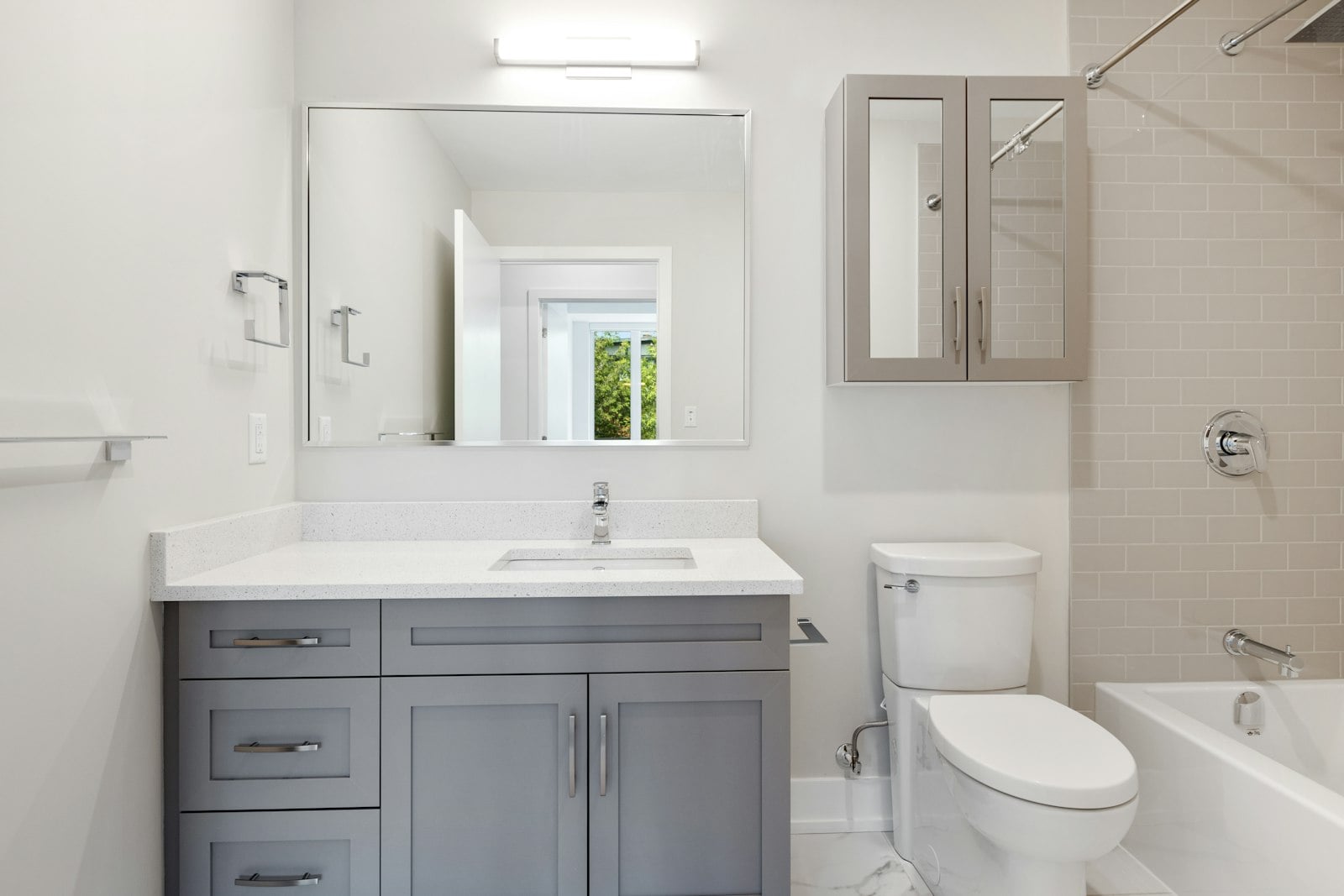
Dark grout is often surface growth, but soft drywall beside the shower means water has gone further. Readings decide which of the two you have.
See bathroom mold workRoof leaks, a bath fan venting indoors and duct condensation are the usual causes. The entry point has to be repaired before the attic is cleaned.
See attic remediationTell the provider where the growth or the smell is, what the room is used for and whether anything leaked recently. Clear, specific details help more than a long description.
Confirm the address and any timing with the provider. Keep the affected room closed and leave the growth undisturbed so the readings reflect what is actually there.
Ask the provider for a plain description of what is wet, what has to come out, what will be cleaned and the price, before any material is opened up.
Ask the provider to dry and re-check the area, supply photographs of what was found and done, and confirm the moisture source repair before anything is closed up.
Homes below the Santa Catalina Mountains sit at a higher, cooler elevation where winter window condensation is common.
View Oro Valley service
Newer northwest subdivisions sit on flat ground where monsoon runoff sheets across lots toward the house.
View Marana serviceYounger slab homes south along I-19 hide leaks behind stucco and drywall until a stain appears.
View Sahuarita serviceGrowing southeast neighborhoods mix new builds with older desert properties on larger lots.
View Vail serviceHillside homes with flat roofs and canales collect dust in the drains, and slow leaks follow the monsoon.
View Catalina Foothills serviceSingle-story retirement homes closed up for the summer are the ones that surprise owners in the fall.
View Green Valley service
East-side properties near the wash often have older cooling equipment and larger, shaded lots.
View Tanque Verde serviceSoutheast subdivisions built from the 1990s onward, where slab homes share the same builder plans.
View Rita Ranch service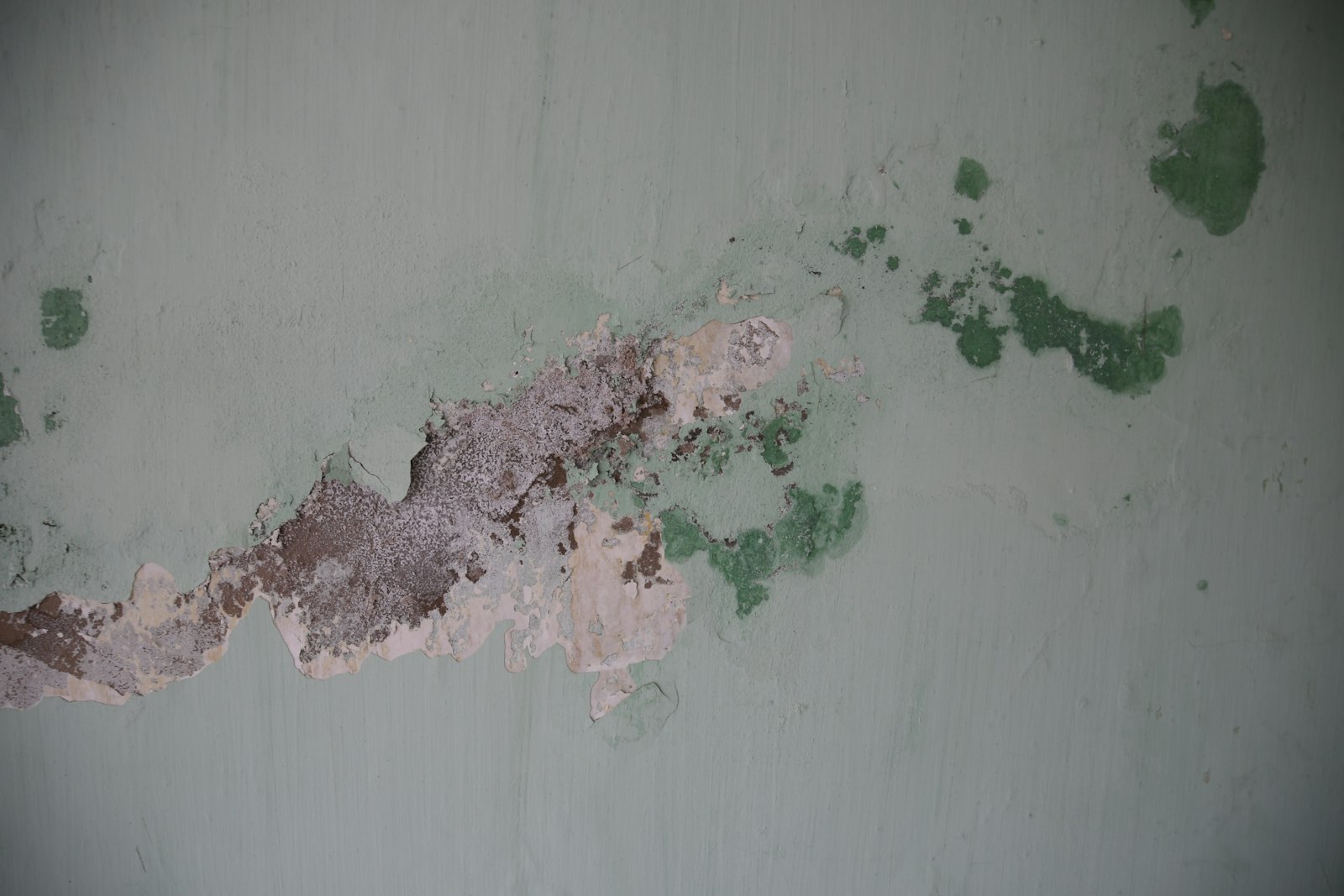
Central 1940s to 1970s neighborhoods with flat roofs, evaporative coolers and old single-pane glass.
View Midtown Tucson serviceThere is no single price, because the quote follows the size of the wet area, how much material has to come out, how hard it is to reach and whether drying equipment is needed. Ask the independent provider to inspect and put the price in writing. Compare removal and remediation.
A musty smell that keeps returning, a stain that reappears after painting, soft baseboard or a warped cabinet base are the usual early signs. Moisture readings confirm it without opening the wall first. Read the signs of hidden mold.
Tucson Mold Removal Pros connects callers across Tucson and the surrounding communities, from Oro Valley and Marana to Sahuarita, Vail and Green Valley, with independent providers. See the full service area list.
Any mold growing indoors on wet material should be removed, and the method does not change with the color. Mold can irritate eyes, skin and airways, and people with asthma or allergies may react more; health questions belong with a doctor. Read about dark mold removal.
On wet porous material indoors, growth can start within a couple of days. That is why the response to a leak is to dry it fast and check what is behind the finish, not to wait and see whether a stain appears. See what happens after water damage.
If growth is visible and the leak is obvious, a laboratory name rarely changes the work. Testing earns its place when growth is hidden, when a sale or rental needs documentation, or when someone keeps reacting. See what an inspection covers.
Bleach changes the color of growth on a hard surface, does not reach what is inside drywall or insulation, and adds moisture. Removing the wet material and stopping the water is what actually ends it. See how remediation works.
One wall in one room is often a short job, while several rooms or an attic take longer, and drying can add days before anything is closed up. Ask the independent provider for a timeline after the inspection. See the four stages.
Mold needs a wet material, not humid air. Roof leaks, blocked condensate lines, evaporative coolers, bathrooms without working fans and slow supply-line drips supply that in Tucson every year. Read the dry climate guide.
Usually yes, because the work area is sealed off and run under filtration. Larger jobs, or work in the only bathroom, can be easier if you are out for part of the day. See what the work involves.
Describe what you see or smell so a provider can plan the right inspection.