Signs of Hidden Mold at Home
Tucson Mold Removal Pros explains the early signs of mold hiding behind walls, cabinets and ceilings in Tucson homes, and what is worth doing before an inspection.
- Upfront Quotes
- Inspection and Remediation
- Residential and Commercial
By the Tucson Mold Removal Pros team · Updated September 2026
The Smell Usually Arrives First
Most people notice mold before they see it. A musty, earthy smell in one room, a closet or a cabinet under a sink is the most reliable early sign there is, because growth releases it long before a stain works its way through paint. The useful detail is that the smell is localized. A whole house that smells damp after a storm is different from one closet that smells that way every day for a month. If you can shut a door and tell the difference, note which door it was.
Smell alone does not tell you how much material is affected, and it does not tell you what the water source is. It tells you where to start looking, which is more than most homeowners have when they call.
Marks That Come Back
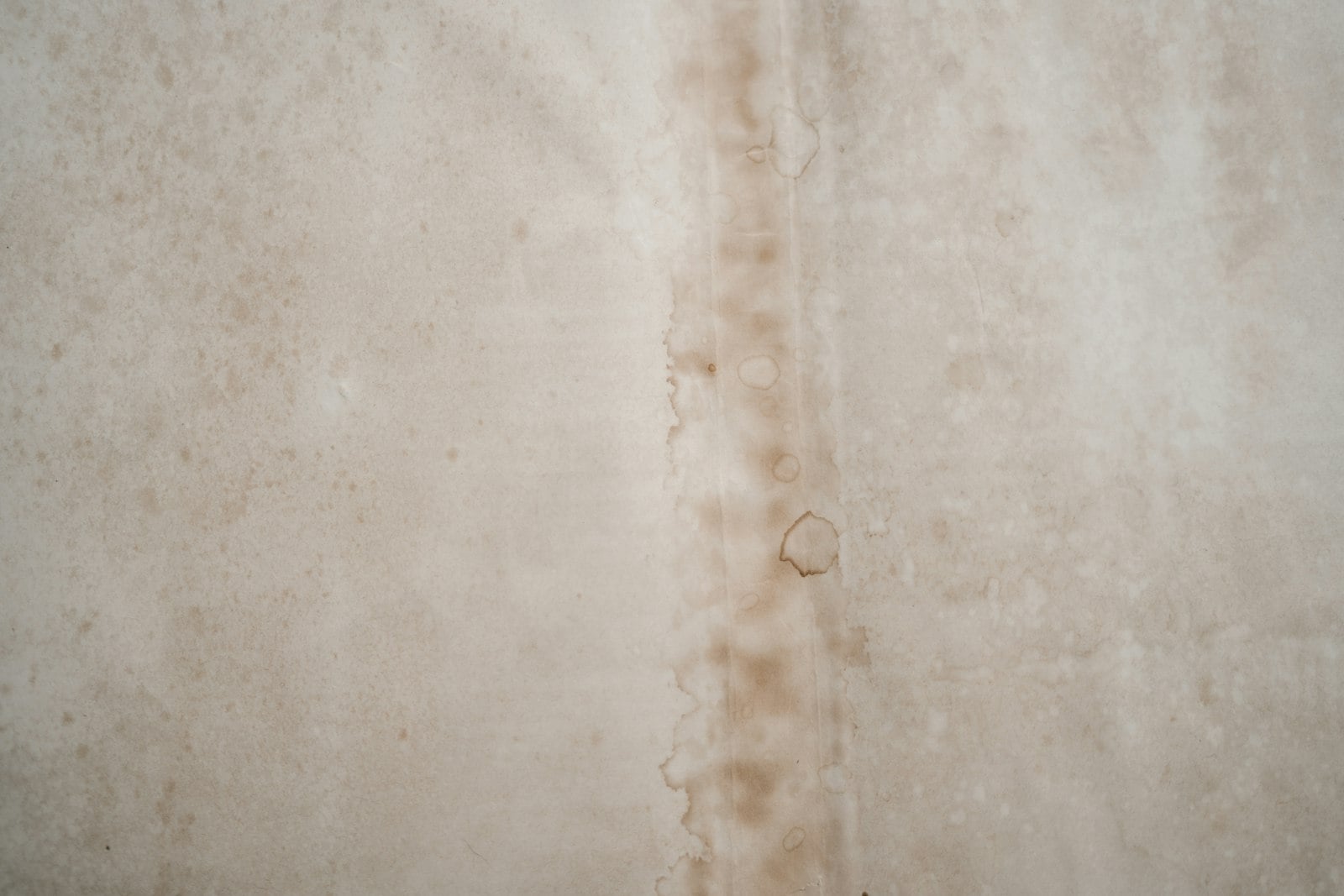
A stain that reappears after it has been painted over is not a paint problem. It means moisture is still moving through the material and bringing whatever is dissolved in it to the surface. The same applies to a patch of ceiling that dries, lightens and then darkens again after the next storm. Watch for staining that has a defined edge, a yellowish or brownish ring, or a halo that grows slowly outward over weeks.
Peeling or bubbling paint on an interior wall is worth the same attention, particularly near the floor. Paint does not lift from a dry wall. On stucco and block construction the moisture is often coming from the outside face and appearing inside, which is why the stain and the leak are frequently in different places.
Materials That Feel Wrong
Run a hand along the baseboard in the room that smells. Trim that is swollen, soft at the bottom edge or lifting from the wall has been wet. The floor of the cabinet under a kitchen sink is the same test: particle board swells into a distinct ripple once it has taken water, and it does not go back. Doors that suddenly stick, a section of flooring that has cupped, or grout that keeps darkening in the same spot all point the same direction.
None of these prove mold on their own. Together with a musty smell and a stain, they are enough to have the area checked properly rather than repainted.
Where It Usually Hides
The list is short and predictable. Under and behind sinks, where angle stops and supply lines drip slowly for months. Behind and below shower walls, where a failed pan or a bad seal soaks the framing. Around the air handler and along its condensate line, which blocks and overflows in summer. In ceilings below a roof penetration, a canale or a rooftop unit. Behind a refrigerator, where the ice maker line has been weeping onto the floor. And in wall cavities where a supply line runs inside finished drywall.
All of those are places where water is delivered or removed on purpose, which is exactly why they fail. Mold does not need a flood; it needs a material that stays wet.
What Not to Do While You Wait
Do not scrub, sand or spray growth you have found, and do not paint over it. Disturbing established growth sends spores into the rest of the house and makes the affected area much harder to define later. Do not aim a fan at it either, for the same reason. Keeping the door closed costs nothing and keeps the problem in one room.
If you can reach a shut-off valve safely and the water is still running, close it. If you cannot, leave it and say so when you call. Take photographs before anything is moved; they are useful for any owner, manager or insurer later on.
Hidden Mold in Tucson Homes
Tucson houses make this harder than they should. Almost everything here is slab-on-grade with stucco or block walls and no basement, so water spreads sideways under flooring and wicks up drywall rather than running somewhere obvious. The monsoon between July and September delivers a great deal of rain in very short bursts, and a roof leak that only shows during a hard storm can wet an attic repeatedly for two months before anyone notices. Older central neighborhoods add flat roofs whose canales pack with dust, while homes left closed up through the hottest weeks give a small leak all the time it needs.
The pattern varies by area. In Catalina Foothills, cold clear nights and large window walls add winter condensation to the list. Elsewhere it is more likely to be an appliance line or a blocked condensate drain.
Arrange an Inspection
If two or three of these signs line up in the same room, have it looked at rather than painted. Tucson Mold Removal Pros can trace the moisture source and tell you whether you are dealing with surface growth or wet material behind the finish. Start with a mold inspection, read removal versus remediation to understand the two kinds of quote you might receive, or ask about an appointment. Keep the room closed and leave the growth alone until someone has seen it.