Containment and air filtration
The work area is sealed with sheeting and run under negative pressure with HEPA filtration, so dust and spores are not carried through the rest of the building.
An independent provider seals off the work area, removes the material that cannot be saved and dries the structure, once the leak or condensation feeding the growth has been dealt with. Ask for the scope and the price before anything is opened up.
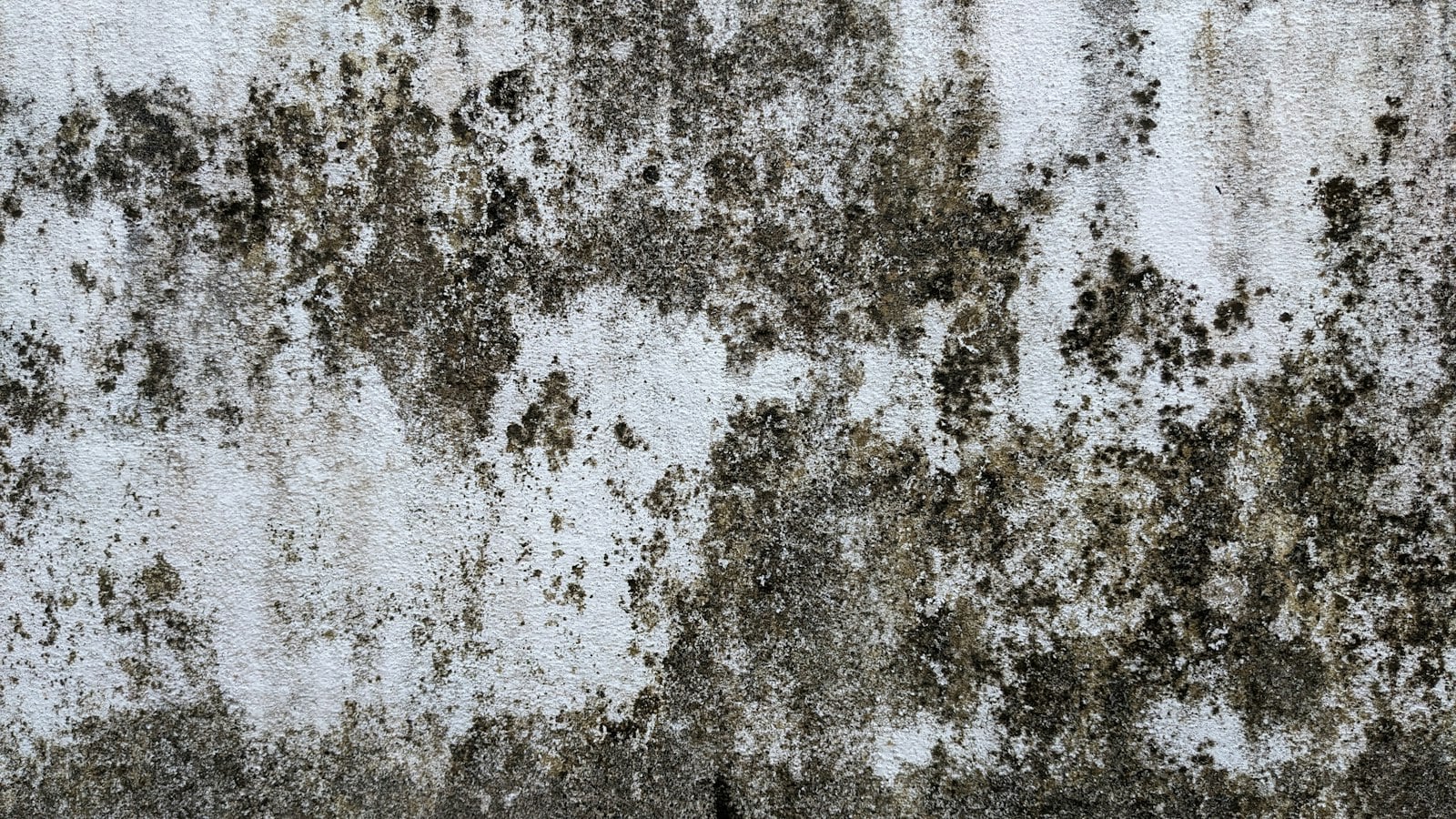
Stucco and block walls hide damp drywall well. In Tucson homes the first visible sign is often at the bottom of a wall or around a ceiling vent, long after the material behind it became wet, which is why the removal line is set by readings rather than by what you can see.
Remediation is a sequence, not a single task. Ask the independent provider which parts your property actually needs and whether rebuild work is priced separately.
The work area is sealed with sheeting and run under negative pressure with HEPA filtration, so dust and spores are not carried through the rest of the building.
Soaked drywall, insulation, carpet pad and cabinet bases are cut back to a marked line. Hard surfaces such as tile, block and framing are cleaned instead of replaced where they are sound.
The structure is dried and re-checked before anything is closed up, and you can ask for photographs of what was found and what was done.
The water source is dealt with first. Cleaning growth off a wall that is still being fed by a roof leak or a condensate line simply moves the problem a few weeks down the calendar, so the repair and the remediation are planned together.
Rebuild work is usually quoted separately from the remediation itself. Replacing drywall, trim, insulation and paint is normal building work, and you can have it done by whoever you prefer once the area is dry and clear.
Start with a mold inspection if nobody has looked yet, compare removal and remediation, read about growth that follows a leak, or ask about scheduling.
The quote follows the size of the affected area, how much material has to come out, how hard the space is to reach and whether drying equipment is needed. Ask the independent provider to price the work in writing before starting, and on a larger scope you can add clearance testing to close it out. Compare the options on the removal versus remediation page.
In most cases yes, because the work area is sealed off from the rest of the home. Larger jobs, or work in a single-bathroom house, can be easier if you are out for part of the day. Ask the provider which applies before any work starts.
Bleach changes the color of growth on a hard surface but does nothing for material that is wet through, and it does not reach the growth inside drywall or insulation. It also adds moisture. Removing the wet material and fixing the leak is what actually ends it.
A single wall in one room is usually a short job. Several rooms, an attic or a property that needs days of drying take longer. Ask the independent provider for a timeline once the inspection is done, and the process page sets out the stages.
Describe what you see or smell so a provider can plan the right inspection.