Crawl Space Mold in Tucson: What to Do Next
Crawl space mold in Tucson almost always starts with water under the floor, such as a plumbing leak, a drain line, or storm runoff. Find and stop that moisture first. A small patch is often DIY, but larger or hidden growth under the house is usually a job for a local mold provider.
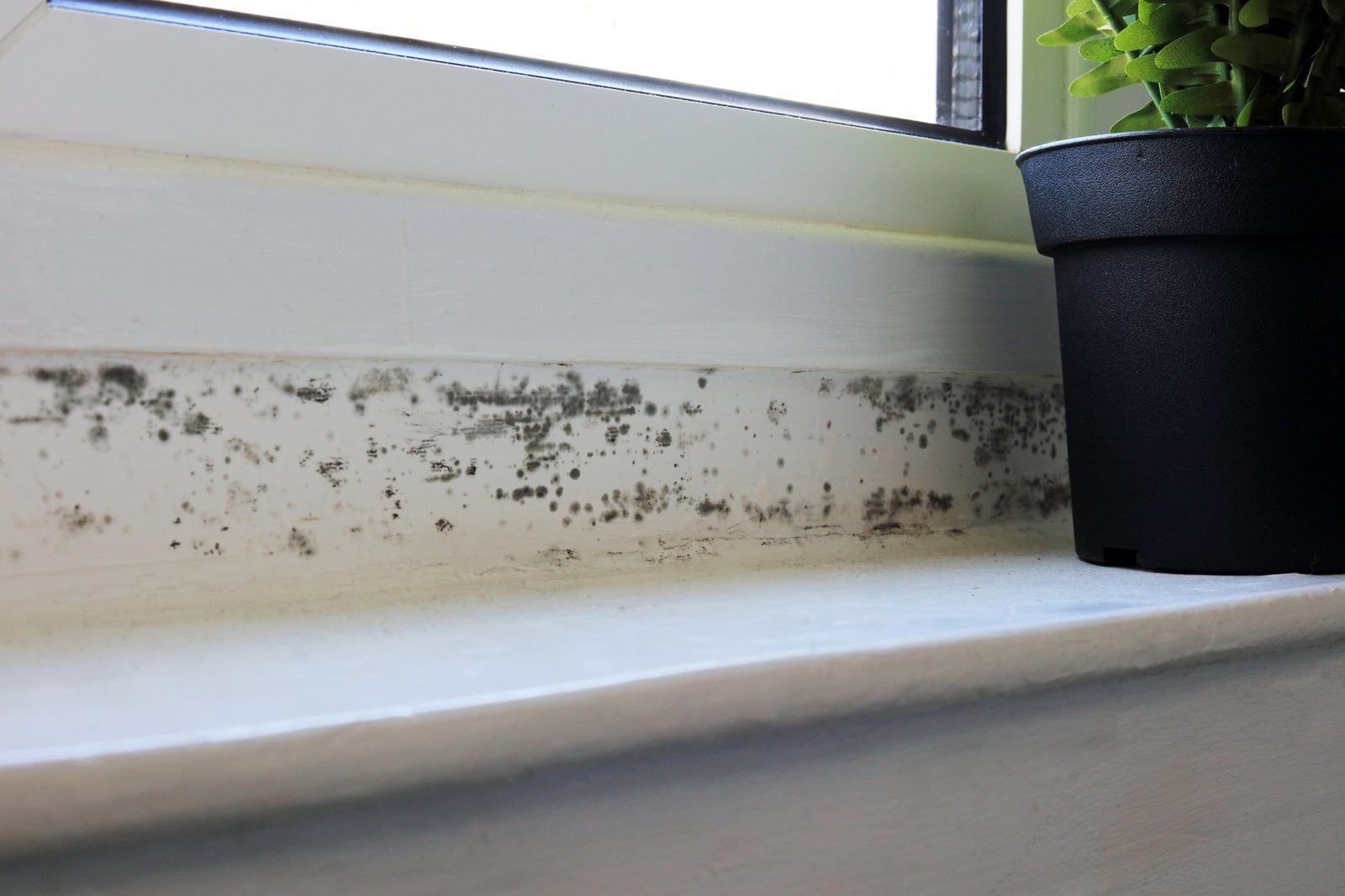
- Arizona health officials say to remove the moisture source first, because mold returns if the area gets wet again.
- EPA says patches under about 10 square feet can usually be cleaned up by the homeowner.
- EPA advises drying water-damaged areas and items within 24-48 hours to help prevent mold growth.
- Arizona health officials do not recommend mold testing as the first step; if you can see or smell mold, you have a problem.
- The NWS defines the monsoon as June 15 through September 30, so fall is a good time to check under the house.
Does my Tucson home even have a crawl space?
Not every Tucson home has one. Many homes sit on a concrete slab with no space under the floor at all. Others have a raised wood floor with a shallow crawl space underneath, reached through a small access hatch in a closet floor or a vent opening on an outside wall.
If your home is on a slab, mold problems usually show up in walls, cabinets, the attic or ducts instead. See the mold removal in Tucson page for those.
What causes crawl space mold in a dry place like Tucson?
Crawl space mold in Tucson is caused by moisture, not by the climate outside. A dripping pipe, a leaking drain or sewer line, or storm water that runs under the house can keep soil and wood damp for weeks in a dark space that nobody checks.
Arizona health officials list constant plumbing leaks, leaky roofs, flooding, backed-up sewers and humidifiers as common indoor moisture sources. Under a raised floor, the most common culprits are:
- Supply pipes and drain lines that run through the crawl space
- A water heater or appliance line that leaks through the floor
- Rain or yard runoff that flows toward the foundation vents
- Air conditioning condensate lines that drain in the wrong place
EPA advises keeping air conditioning drip pans clean and drain lines unobstructed and flowing properly, which matters when ducts or equipment sit under the house.
What are the signs of crawl space mold?
The most common sign is a musty smell inside the house, often strongest near floor vents or in rooms over the crawl space. Other clues are soft or warped floors, stains on the subfloor, damp soil under the house, and visible fuzzy or spotted growth on wood framing.
- A musty or earthy odor that gets worse when the air conditioning runs
- Cupping or soft spots in wood floors above
- Water stains or white, green or black spots on joists and subfloor
- Standing water, wet soil or a damp vapor barrier under the house
Arizona health officials say that if you can see or smell mold, you have a problem. You do not need a lab result to start looking for the water.
Need help now? Call to be connected with a local provider in Tucson who can check availability for your address.
Can you clean crawl space mold yourself?
You can sometimes clean a small patch yourself. EPA says that if the moldy area is less than about 10 square feet, roughly a 3 ft by 3 ft patch, homeowners can usually handle the cleanup. A crawl space is tight and dark, though, so many people call for help even with modest growth.
DIY is more reasonable when:
- The patch is small and easy to reach
- You found and fixed the water source
- The wood is dry and solid, not soft or crumbling
Calling a local provider makes more sense when:
- Growth covers more than about 10 square feet or several joists
- The crawl space flooded or the soil stays wet
- Ducts or HVAC equipment under the house are affected
- You cannot safely get into the space
- Anyone in the home has health concerns; ask a doctor about those
What should you do first when you find mold under the house?
Stop the water first. Arizona health officials say it is critical to remove the moisture source before cleanup, because mold will return if the area is re-wetted. Check pipes and drain lines, look for runoff paths after rain, and fix leaks before anyone cleans.
- Take photos of the mold, wet soil and any leaks before you change anything
- Shut off or repair the leaking line if you can do so safely
- Redirect yard water and downspouts away from foundation vents
- Keep stored items out of the crawl space until it is dry
EPA advises drying water-damaged areas and items within 24-48 hours to help prevent mold growth. A wet crawl space dries slowly, so the sooner the source is fixed, the smaller the job tends to be.
Do you need mold testing for a crawl space?
Usually not as a first step. The Arizona Department of Health Services does not recommend mold testing first, and says that if you can see or smell mold, you have a problem. The priority is finding the moisture and planning the cleanup.
An inspection can still help when you smell mold but cannot see it, or when you want a check after a larger cleanup. The mold inspection and testing page explains what an inspection covers and what it can and cannot tell you.
Can crawl space mold affect the air in the rest of the house?
It can. Air from a crawl space can move up into living areas through gaps in the floor, plumbing openings and ducts that run under the house. That is why a musty smell indoors is often the first clue that something is wrong below.
If ductwork or air handling equipment sits in the crawl space, ask that it be checked too. The HVAC and duct mold cleaning page covers what that involves. For any health questions, talk with a doctor.
What happens during the visit from a local mold provider?
A provider usually starts by inspecting the crawl space and the rooms above, looking for visible mold, wet soil, leaks and the moisture source. They then explain your options and give you a written quote before any work begins.
- Inspection: framing, subfloor, soil or vapor barrier, pipes, drain lines and any ducts under the house
- Options explained: what can be cleaned, what may need removal, and how the moisture will be stopped
- Written quote: you review the scope in writing before you agree to anything
Arizona's insurance department notes it is your right to get more than one quote, and advises making sure any contractor doing the work is licensed in Arizona. You can look up a license in the Arizona Registrar of Contractors online contractor search.
How can you keep crawl space mold from coming back?
Keep water out and keep the space dry. Fix leaks quickly, keep yard runoff away from the foundation, and check under the house after big storms. EPA advises keeping indoor relative humidity below 60 percent, ideally between 30 and 50 percent.
- Check the crawl space after each heavy rain
- Keep condensate lines draining away from the house
- Do not store cardboard or fabric under the floor
- Watch for new musty smells in rooms above
The article on preventing mold in a dry climate has more ideas for Tucson homes.
Why check your crawl space after Tucson's monsoon season?
Tucson is dry most of the year, but much of its rain arrives in a short window. The National Weather Service defines the monsoon as June 15 through September 30 and says Tucson averages 5.69 inches of rain during that period, out of a 1991-2020 normal of 10.61 inches for the whole year. NWS also says flash floods are common in Arizona.
The 2026 monsoon brought 5.76 inches to Tucson International Airport, with totals across the metro from 3.00 to 8.00 inches, and locally up to 12.00 inches. Runoff from storms like these can reach the space under a raised floor and stay there long after the sky clears, so fall is a good time to look. Homes in Tanque Verde, Catalina Foothills, Oro Valley and Marana are all part of the service areas. Call to be connected with a local provider near you.
Related pages
Questions people ask
How do I get help with crawl space mold in Tucson?
Call the number on this page to be connected with a local mold provider in Tucson. Before the visit, take photos and try to find and stop any water source.
What causes mold in a crawl space?
Moisture causes it. Common sources are plumbing and drain leaks, sewer backups, storm runoff under the house and condensate lines that drain in the wrong place.
How do I know if I have mold in my crawl space?
A musty smell in the house is often the first sign. Other clues are soft floors, stains on the subfloor, damp soil and visible spots on wood framing under the house.
Why does my house smell musty when the AC turns on?
Air moving through ducts can carry odors from damp areas, including a crawl space. Check under the house and around ducts and drain lines for moisture.
Can I clean crawl space mold myself?
Sometimes, if the patch is small and you can reach it safely. EPA says areas under about 10 square feet can usually be cleaned by the homeowner, once the water source is fixed.
How much crawl space mold is too much to handle on my own?
A good line is about 10 square feet, roughly a 3 ft by 3 ft patch. Above that, or if the space flooded, calling a local provider in Tucson usually makes more sense.
Do Tucson homes have crawl spaces?
Some do. Many Tucson homes are built on a concrete slab with no crawl space, while others have a raised floor with a shallow space underneath.
Can mold in a crawl space get into the rest of my house?
Yes, air from a crawl space can move into living areas through floor gaps, plumbing openings and ducts. Fixing the moisture and checking ducts helps limit it.
Should I test the mold in my crawl space before removing it?
Usually not first. Arizona health officials do not recommend testing as the first step and say that if you can see or smell mold, you have a problem to fix.
Can monsoon storms cause crawl space mold in Tucson?
They can if runoff reaches the space under the house and it stays wet. EPA advises drying water-damaged areas within 24-48 hours to help prevent mold.
Is bleach the right way to get rid of crawl space mold?
Bleach does not fix the moisture that caused the mold. Stop the water and dry the space first; badly damaged wood or materials may need removal.
Can a swamp cooler add moisture that reaches my crawl space?
Evaporative coolers add humidity to indoor air, according to University of Arizona Extension. Keep the cooler maintained and make sure its water drains away from the house.
Is it safe to go into a crawl space with mold?
Use care, since the space is tight and may be wet. If you cannot get in safely or anyone has health concerns, call a local provider and talk with a doctor about health questions.
Will homeowners insurance pay for crawl space mold removal in Arizona?
It depends on your policy and the cause. Arizona's insurance department says mold remediation may be covered if it results from a sudden or accidental event, so check your policy and talk with your adjuster.
Does homeowners insurance cover water that flooded under my house?
Often not for flood. FEMA says most homeowners policies do not cover flood damage, and flood policies typically have a 30-day waiting period, with some exceptions.
Should I call my insurance company or a mold provider first?
Arizona's insurance department advises calling your insurer or adjuster before a contractor. Take photos of the damage before any work starts.
What will a mold provider check in my crawl space?
They usually inspect framing, subfloor, soil, pipes, drain lines and any ducts under the house to find the mold and the moisture, then explain options and give a written quote.
How do I know crawl space mold removal worked?
The space should stay dry, the wood should look clean and the musty smell should fade. Some homeowners also ask about clearance testing after a large job.
How can I check a contractor's license in Arizona?
Use the Arizona Registrar of Contractors online contractor search. Arizona's insurance department advises making sure any contractor doing the work is licensed in Arizona.
Someone knocked on my door offering crawl space mold work. Should I hire them?
Be careful. Arizona's insurance department warns against high-pressure sales and door-to-door offers for services you did not request.
Talk to someone about your mold problem
Call to be connected with a local provider who can check availability for your address and explain the next step.