Soft Floors? Crawl Space Foundation Repair in Tucson
Crawl space foundation repair in Tucson often starts with a moisture problem, not a cracked foundation. Leaks and storm runoff can feed mold and soften the wood joists, beams and posts that hold up a raised floor. Stop the water, stay off soft spots, and call to be connected with a local provider.
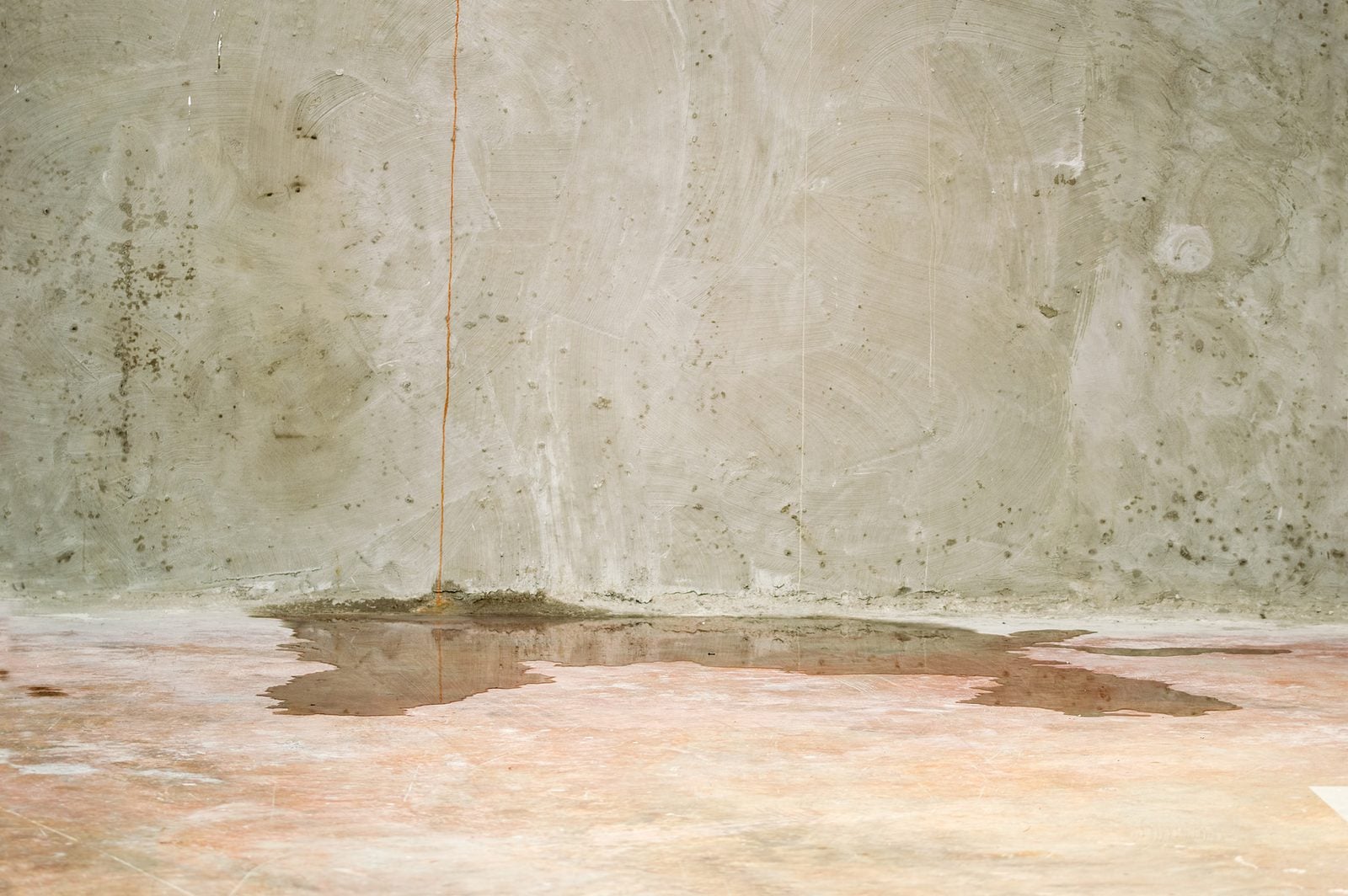
- Many Tucson homes sit on a concrete slab with no crawl space; raised floors with a crawl space underneath are less common.
- Arizona health officials say to remove the moisture source first, because mold returns if the area gets wet again.
- EPA advises drying water-damaged areas and items within 24-48 hours to help prevent mold growth.
- Arizona's R-62 minor home improvement license class does not allow structural work to existing structures.
- Severe signs like a sagging floor or cracked supports call for a qualified foundation inspection or a structural engineer.
What to do first
- Keep people, pets and heavy furniture off any floor area that feels soft, bouncy or sunken.
- If a pipe or drain is leaking under the house, shut off the water at the main valve if you can reach it safely.
- Take photos of the floor, any stains and any water you can see before anything is moved or repaired.
- Do not crawl into the space if it is flooded, if wiring is wet, or if you cannot get back out easily.
- If you plan to file a claim, call your insurance company or adjuster first, then call to be connected with a local provider.
What does crawl space foundation repair mean for a Tucson home?
For most Tucson homes with a raised floor, crawl space foundation repair means fixing the wood framing and supports under the floor, plus the moisture that damaged them. The concrete footings are often fine. The trouble is usually wet wood, mold and rot on joists, beams, posts and the subfloor.
This page focuses on that moisture side of the problem. If you are dealing mainly with mold growth under the house, the guide to crawl space mold in Tucson covers cleanup in more detail.
Do most Tucson homes even have a crawl space?
Many do not. Many Tucson homes are built on a concrete slab that sits right on the ground, so there is no space under the floor at all. Some homes, often with wood floors, have a raised floor and a shallow crawl space reached through a hatch or an outside vent.
If your home is on a slab, a crawl space repair is not your issue. Floor problems on a slab are a different job, and moisture or mold usually shows up in walls, cabinets or the attic instead. The mold after water damage page covers those cases.
What are the warning signs of moisture damage to crawl space supports?
The most common warning signs are floors that feel soft, bouncy or uneven, and a musty smell in rooms over the crawl space. Under the house, look for dark stains, fuzzy growth or crumbly wood on joists and posts, and damp soil or standing water.
- A soft spot or dip in the floor, often near a bathroom, kitchen or water heater
- Doors over the crawl space that start to stick or swing on their own
- Cupped or lifting wood flooring
- Wood that dents easily when pressed with a screwdriver
- Posts that lean, sink into wet soil or have gaps at the top
Arizona health officials say that if you can see or smell mold, you have a problem. You do not need a lab test to start finding the water.
Need help now? Call to be connected with a local provider in Tucson who can check availability for your address.
Why would a dry Tucson crawl space get wet enough to rot wood?
The water usually comes from the house or the yard, not the air. A slow drip from a supply pipe, a leaking drain or sewer line, or a water heater leak can keep wood wet for months in a space nobody checks. Storm runoff can also flow toward foundation vents.
Arizona health officials list constant plumbing leaks, leaky roofs, flooding, backed-up sewers and humidifiers as common indoor moisture sources. University of Arizona Extension notes that evaporative coolers send cooled, humidified air into the home, so keep the cooler maintained and its water draining away from the house. Tucson Water also advises flushing your water heater regularly, since hard water builds up deposits inside it.
When do you need a foundation or structural inspection instead of just mold cleanup?
Ask for a foundation inspection or a structural engineer when the floor is sagging, a support post has moved, a beam or joist is cracked or crumbling, or the damage covers a large area. Mold cleanup alone does not restore wood that has lost its strength.
Nobody can judge from a web page whether a floor is safe. A mold provider can find the moisture and clean or remove moldy material, but deciding how much framing must be replaced is a structural question. Signs that point to a structural review:
- A floor that has visibly dropped or slopes toward one spot
- New cracks in interior walls over the crawl space
- Rot that runs along several joists or through a beam
- Posts or piers that have shifted, sunk or tipped
Can you fix small crawl space mold and wood damage yourself?
Sometimes, if the area is small, the wood is still solid, and the water source is fixed. EPA says homeowners can usually clean a moldy area under about 10 square feet, roughly a 3 ft by 3 ft patch. Soft, cracked or crumbling wood is a different matter and should be checked before anyone patches it.
Arizona law says it is unlawful to act as a contractor without a license in good standing unless an exemption applies. The R-62 minor home improvement class does not allow structural work to existing structures, so ask what license covers any framing repair. You can check a license in the Arizona Registrar of Contractors online contractor search.
What happens during the visit from a local provider?
A provider usually inspects the crawl space and the rooms above, looking for mold, wet wood, leaks and the path the water took. They explain your options and give you a written quote before any work begins.
- Inspection: joists, beams, posts, subfloor, soil, pipes, drain lines and any ducts under the house
- Options explained: what can be cleaned, what may need removal, how the moisture will be stopped, and whether a structural review is advised
- Written quote: you read the scope in writing before you agree to anything
Arizona's insurance department notes that it is your right to get more than one quote, and advises making sure any contractor doing the work is licensed in Arizona.
How do you keep crawl space supports dry after repairs?
Keep water away from the space and check it often. Fix leaks quickly, send downspouts and yard runoff away from the foundation, and look under the house after big storms. EPA advises keeping indoor humidity below 60 percent, ideally between 30 and 50 percent.
- Look at the crawl space after each heavy rain
- Keep air conditioning drain lines clear and flowing, as EPA advises
- Do not store cardboard, wood or fabric under the floor
- Watch for new soft spots or musty smells upstairs
Some homeowners book a follow-up check after a large job. The mold inspection and testing page explains what an inspection can tell you.
How do Tucson storms affect wood under a raised floor?
Tucson gets little rain over a full year, but much of it comes fast. NWS lists Tucson's 1991-2020 normal annual precipitation as 10.61 inches, and says Tucson averages 5.69 inches during the monsoon, which runs June 15 through September 30. NWS also says flash floods are common in Arizona.
Heavy bursts like these can push runoff toward foundation vents and soak the soil under a raised floor. Wood that stays wet after storm season is where mold and rot take hold, so fall is a good time to look underneath. Homes in Midtown Tucson, Catalina Foothills, Tanque Verde and Oro Valley are part of the service areas. Call to be connected with a local provider near you.
Related pages
Questions people ask
Who do I call for crawl space foundation repair in Tucson?
Call the number on this page to be connected with a local provider in Tucson. If the damage looks severe, also ask for a foundation inspection or a structural engineer.
Why does my floor feel soft or spongy in one spot?
A soft spot in a Tucson home with a raised floor often means the subfloor or joists below have been wet for a long time. Check for a leak under that area and keep weight off it.
Is a sagging floor over a crawl space dangerous?
It can be, and only an in-person check can tell. Keep people and heavy items off the area and ask for a qualified foundation inspection or structural engineer.
Can mold weaken the wood joists under my house?
Mold itself is a sign of moisture, and long-lasting moisture can lead to wood rot that weakens joists. Stop the water first, then have the wood checked.
How can I tell if crawl space wood is rotted or just stained?
Press the wood with a screwdriver. Stained wood stays firm, while rotted wood feels soft, splits or crumbles; anything soft should be checked before it is patched.
Does my Tucson house have a crawl space or a slab?
Many Tucson homes are built on a concrete slab. If you have a floor hatch, outside vents near the ground or a hollow-sounding wood floor, you may have a crawl space.
What is the difference between foundation repair and crawl space repair?
Foundation repair usually means the concrete footings or slab. Crawl space repair often means fixing wet or rotted wood framing and the moisture under a raised floor.
Do I need a structural engineer for crawl space damage?
You may, if supports have moved, cracked or rotted across a large area. A structural engineer can judge how much framing needs repair or replacement.
Should I fix the leak before anyone repairs the floor framing?
Yes. Arizona health officials say to remove the moisture source first, because mold will return if the area gets wet again.
Can a leaking water heater rot the floor above a crawl space?
It can if the leak runs for a long time. Tucson Water advises flushing water heaters regularly because hard water builds up deposits inside them.
Why do my doors stick in rooms over the crawl space?
Doors that start sticking can mean the floor below has shifted or the framing has moved. Look for moisture and soft wood under those rooms and have it checked.
Is it okay to just put a jack post under a sagging floor?
It is not a fix for rot or moisture. Arizona's R-62 license class does not allow structural work to existing structures, so ask what license covers framing repair.
Can I sell my Tucson house if the inspector found crawl space rot?
Yes, but plan on questions. Get the moisture source found, the damage documented, and written quotes, and keep the records for buyers.
How do I check the license of a crawl space contractor in Arizona?
Use the Arizona Registrar of Contractors online contractor search. Arizona's insurance department advises making sure anyone doing the work is licensed in Arizona.
Will insurance help with rotted crawl space framing in Arizona?
It depends on the cause and your policy. Arizona's insurance department says water damage and mold remediation may be covered if they result from a sudden or accidental event.
What records should I keep during crawl space repair?
Keep photos taken before work, written quotes and a log of dates and equipment used. Arizona's insurance department suggests keeping that kind of log during water cleanup.
How soon should a wet crawl space be dried out?
As soon as possible. EPA advises drying water-damaged areas and items within 24-48 hours to help prevent mold growth.
Can monsoon runoff reach under a raised floor in Tucson?
Yes, runoff can flow toward foundation vents during Tucson storms. NWS says flash floods are common in Arizona, so check under the house after heavy rain.
What should I ask before agreeing to crawl space work?
Ask what caused the damage, how the moisture will be stopped, which parts will be cleaned or replaced, and whether a structural review is needed. Get it in writing.
Talk to someone about your mold problem
Call to be connected with a local provider who can check availability for your address and explain the next step.