Basement Mold Removal in Tucson: DIY or Call?
Basement mold removal in Tucson starts with finding and stopping the water, then deciding if the job is small enough to handle yourself. A patch under about 10 square feet is often DIY. Larger growth, hidden mold, or mold after flooding in a below-grade room is usually a job for a local provider.
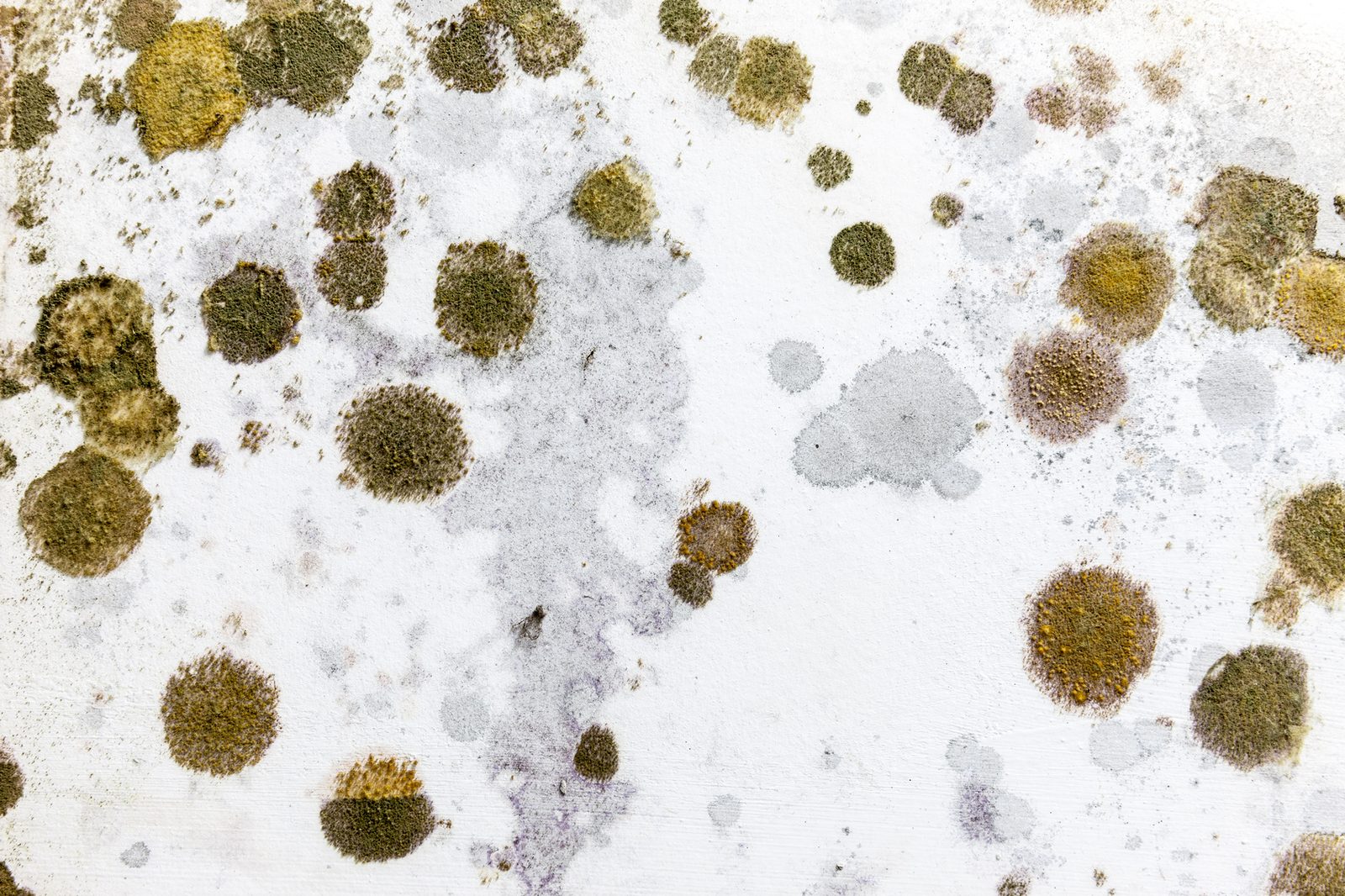
- EPA says patches under about 10 square feet can usually be cleaned up by the homeowner.
- Arizona health officials say to remove the moisture source first, because mold returns if the area gets wet again.
- EPA advises drying water-damaged areas and items within 24-48 hours to help prevent mold growth.
- Arizona health officials do not recommend mold testing as the first step; if you can see or smell mold, you have a problem.
- EPA advises keeping indoor relative humidity below 60 percent, ideally between 30 and 50 percent.
Who is this guide on basement mold removal in Tucson for?
This guide is for Tucson homes that have a basement, a cellar, or a room built partly below ground, such as a lower level set into a slope. It also fits similar damp, low spaces like a sunken storage room or a utility room next to the water heater. If the space sits below grade, it can trap moisture and hide mold.
The steps are the same whatever you call the space: find the water, dry the area, then clean or remove what is damaged. For mold elsewhere in the house, see the mold removal in Tucson page.
Why does mold grow in basements and below-grade rooms?
Mold grows where there is moisture, and below-grade rooms tend to hold it. Walls that touch soil can stay damp after rain, air moves less, and leaks from pipes or a water heater can go unseen for weeks. Add stored boxes or carpet, and mold has food and shelter.
Arizona health officials list constant plumbing leaks, leaky roofs, flooding, backed-up sewers and humidifiers as common indoor moisture sources. In a lower room, water from any of these can collect at the lowest point and soak into drywall, wood trim and the backs of stored items.
Can you remove basement mold yourself, or should you call for help?
You can often clean a small patch yourself. EPA says that if the moldy area is less than about 10 square feet, roughly a 3 ft by 3 ft patch, homeowners can usually handle the cleanup. Bigger areas, or mold that keeps coming back, are usually better handled by a local mold provider.
DIY is more reasonable when:
- The patch is small and on a hard surface you can scrub
- You found and fixed the water source
- The material is dry and not crumbling
Calling for help makes more sense when:
- The growth covers more than about 10 square feet
- You smell mold but cannot find it
- The room flooded or drywall is soaked
- Mold is on the HVAC equipment or ducts
- Anyone in the home has health concerns; ask a doctor about those
Need help now? Call to be connected with a local provider in Tucson who can check availability for your address.
What should you do first when you find mold in a basement?
Stop the water first. Arizona health officials say it is critical to remove the moisture source before cleanup, because mold will return if the area is re-wetted. Check pipes, the water heater, any floor drain, and walls after rain, then dry the space.
- Take photos of the mold and any water stains before you move anything
- Move stored boxes and rugs away from damp walls
- Run fans or a dehumidifier to dry the room
- Throw out soaked paper and cardboard you do not need
EPA advises drying water-damaged areas and items within 24-48 hours to help prevent mold growth. The sooner the space is dry, the smaller the cleanup tends to be.
Do you need mold testing before basement mold removal?
Usually not as a first step. The Arizona Department of Health Services does not recommend mold testing first, and says that if you can see or smell mold, you have a problem. The focus should be on the moisture and the cleanup.
Testing can still help in some cases, such as checking a space after a large cleanup. The mold inspection and testing page explains when an inspection is useful and what it can and cannot tell you.
What is the difference between cleaning mold and remediation?
Cleaning usually means scrubbing a small surface patch. Remediation is a larger process that can include containing the area, removing damaged drywall or carpet, cleaning what can be saved, and drying the space so mold does not return. Which one you need depends on the size of the growth and the damage.
After flooding, Arizona health officials advise removing all sheetrock to at least 12 inches above the high-water mark, and note this step may need a licensed contractor. For more detail, read mold removal vs. remediation.
What happens during the visit from a local mold provider?
A provider usually starts with an inspection of the room and nearby spaces, looking for visible mold, water stains and the moisture source. They then explain your options, from small repairs to larger removal, and give you a written quote before any work begins.
- Inspection: walls, floors, stored items, pipes, the water heater and any HVAC equipment in or near the room
- Options explained: what can be cleaned, what may need removal, and how the moisture will be handled
- Written quote: you review the scope in writing before you agree to anything
Arizona's insurance department notes it is your right to get more than one quote, and advises making sure any contractor doing the work is licensed in Arizona. Ask how the space will be dried and how you will know the cleanup worked.
How can you keep mold from coming back in a below-grade room?
Keep the space dry and the air moving. EPA advises keeping indoor relative humidity below 60 percent, ideally between 30 and 50 percent, and keeping air conditioning drip pans clean and drain lines flowing. A small dehumidifier can help in a lower room.
- Store items on shelves, off the floor and away from walls
- Use plastic bins instead of cardboard
- Check the room after every heavy storm
- Watch the water heater and any pipes for drips
The article on preventing mold in a dry climate has more ideas for Tucson homes.
Why do Tucson storms matter for basement mold?
Tucson is dry most of the year, but a large share of its rain comes in a short season. The National Weather Service defines the monsoon as June 15 through September 30 and says Tucson averages 5.69 inches of rain during that period, out of a 1991-2020 normal of 10.61 inches for the whole year. NWS also says flash floods are common in Arizona.
The 2026 monsoon brought 5.76 inches to Tucson International Airport, with totals across the metro from 3.00 to 8.00 inches, and locally up to 12.00 inches. After a season like that, fall is a good time to check below-grade rooms and low storage spaces for stains and musty smells. Homes in Catalina Foothills, Tanque Verde, Oro Valley and Vail are all part of the service areas. Call to be connected with a local provider near you.
Related pages
Questions people ask
How do I get basement mold removal in Tucson?
Call the number on this page to be connected with a local mold provider in Tucson. Before the visit, take photos and try to find and stop any water source.
Can I clean mold off my basement walls myself?
Often yes, if the patch is small. EPA says areas under about 10 square feet can usually be cleaned by the homeowner, as long as the water source is fixed first.
How big does basement mold have to be before I call someone?
A good line is about 10 square feet, roughly a 3 ft by 3 ft patch. Above that, or if mold keeps returning, calling a local provider in Tucson usually makes more sense.
Why does my lower level smell musty even though Tucson is so dry?
A musty smell usually means moisture and possibly hidden mold. Below-grade rooms can trap dampness from leaks, a water heater, or rain against the walls, even in a dry climate.
Do Tucson homes have basements?
Some do, and others have below-grade rooms, cellars, or lower levels built into a slope. The advice on this page applies to any low, damp space where mold can grow.
Should I test the mold in my basement before removing it?
Usually not first. Arizona health officials do not recommend testing as the first step and say that if you can see or smell mold, you have a problem to fix.
What causes mold in a cellar or below-grade room?
Moisture is the cause. Common sources include plumbing leaks, water heater drips, flooding, backed-up sewers and damp walls that touch soil.
Can monsoon storms cause mold in my basement in Tucson?
Heavy storms can bring water into low rooms, and wet areas can grow mold if not dried quickly. EPA advises drying water-damaged areas within 24-48 hours.
Is bleach the right way to remove basement mold?
Bleach does not fix the moisture that caused the mold. Focus on stopping the water and drying the space, and for porous material like drywall, removal may be needed.
Do I have to tear out drywall if my basement flooded?
Often, yes. Arizona health officials advise removing sheetrock to at least 12 inches above the high-water mark after flooding, and note this may need a licensed contractor.
What humidity should I keep my basement at to stop mold?
Keep it below 60 percent relative humidity, ideally between 30 and 50 percent, per EPA. A dehumidifier can help in a closed, low room.
Can a water heater leak lead to mold in a utility room?
Yes, a slow leak can soak flooring and the bottom of walls and lead to mold. Check around the tank and pipes and fix drips early.
What should I throw away after finding mold in basement storage?
Soaked paper, cardboard and fabric that cannot be dried and cleaned are often thrown out. Take photos first, in case you need a record later.
Will homeowners insurance pay for basement mold removal in Arizona?
It depends on your policy and what caused the damage. Arizona's insurance department says mold remediation may be covered if it results from a sudden or accidental event, so check your policy and talk with your adjuster.
Does homeowners insurance cover a flooded basement?
Often not for flood. FEMA says most homeowners policies do not cover flood damage, and flood policies typically have a 30-day waiting period, with some exceptions.
Should I call my insurance company or a mold provider first?
Arizona's insurance department advises calling your insurer or adjuster before a contractor. Take photos of the damage before any work starts.
What will a mold provider check in my basement?
They usually inspect walls, floors, stored items, pipes and nearby HVAC equipment to find the mold and the moisture source, then explain options and give a written quote.
Can mold in a lower level spread to the rest of the house?
Mold can affect nearby spaces if the moisture problem continues or air moves through ducts. Fixing the water source and checking connected areas helps limit it.
Is it safe to keep using my basement while there is mold?
It is wise to limit time in the room and keep stored items out until it is cleaned. If anyone has health concerns, talk with a doctor.
How do I know basement mold removal worked?
The space should stay dry, look clean and stop smelling musty. Some homeowners also ask about clearance testing after a large job.
How can I check a contractor's license in Arizona?
Use the Arizona Registrar of Contractors online contractor search. Arizona's insurance department advises making sure any contractor doing the work is licensed in Arizona.
Talk to someone about your mold problem
Call to be connected with a local provider who can check availability for your address and explain the next step.